Course overview and introduction to foundational marketing concepts.
Presented by:
Larry Vincent, Professor of the Practice of Marketing
Presented to:
GSBA 509
August 25, 2026
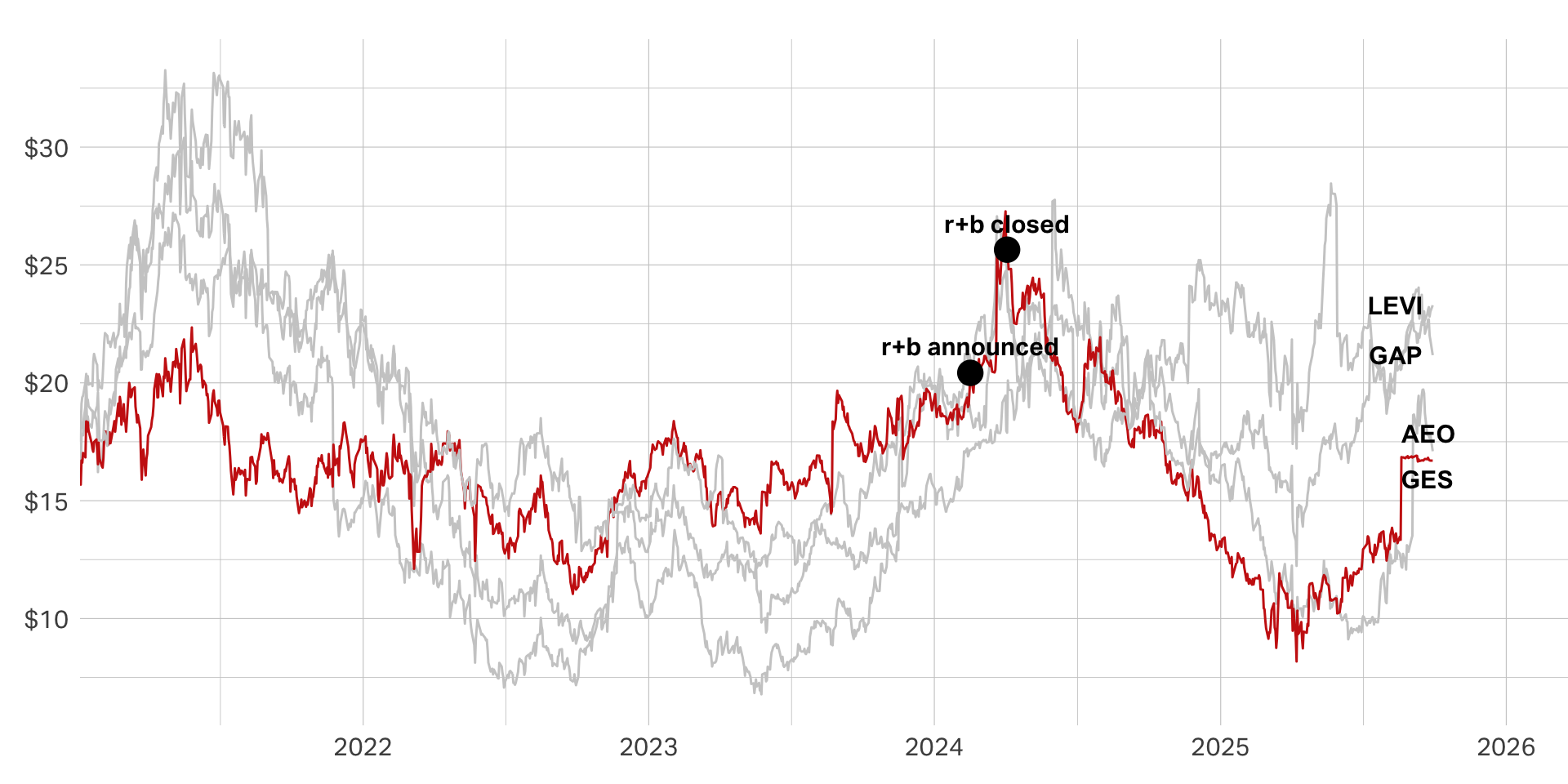
Stock Performance
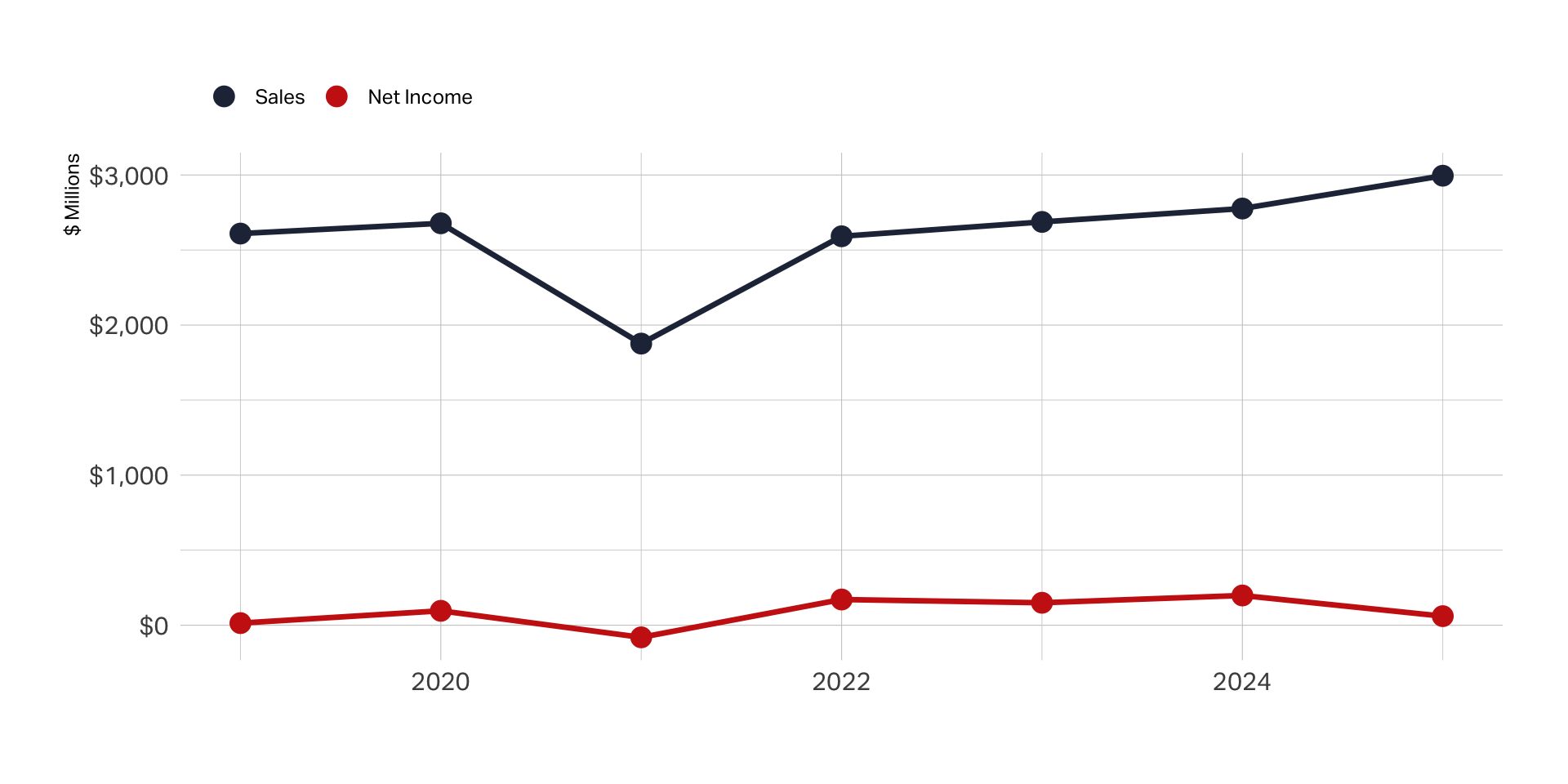
Revenue Performance
What is the core purpose of marketing?
Purpose
Acquire, retain, and develop customers.
Marketing’s Job
Marketing is about understanding, predicting, and influencing human behavior.
Critical activities
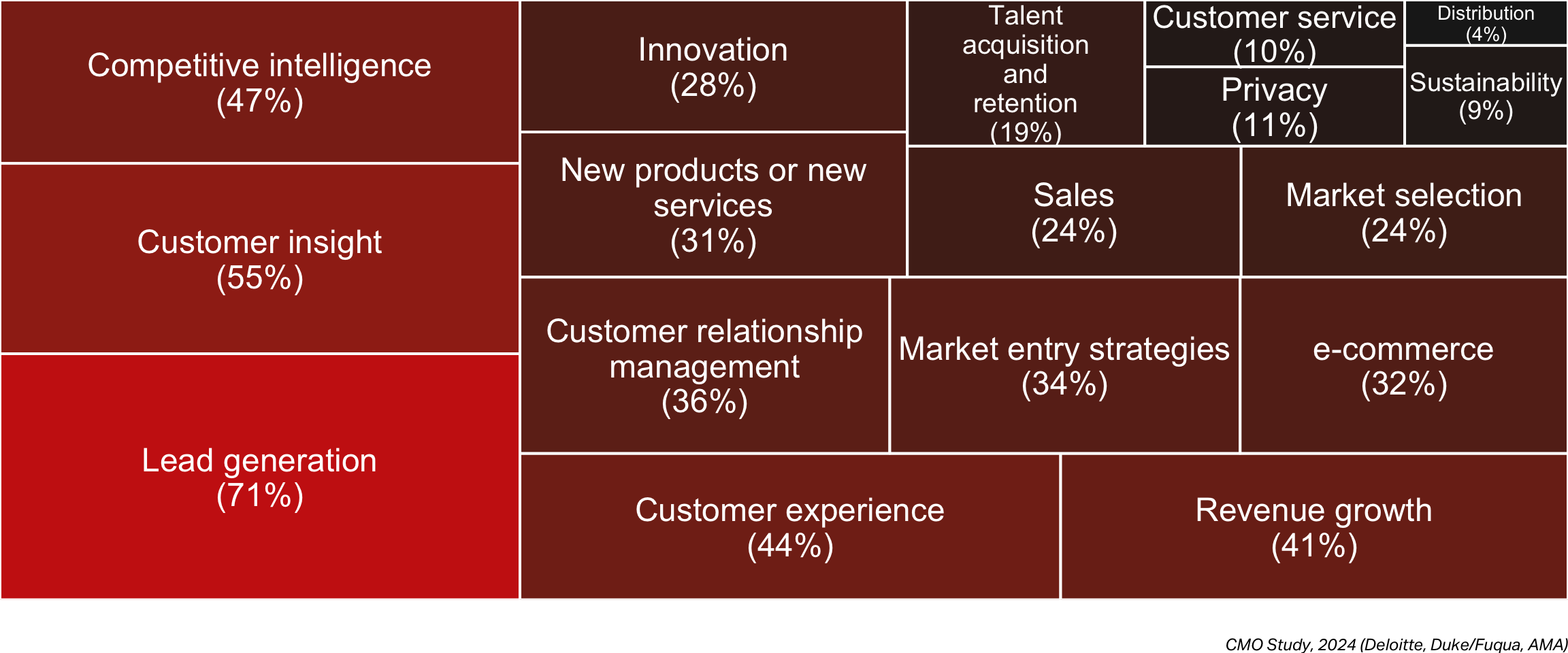
What is marketing primarily responsible for in your company?
Selected responses.
Growing Importance
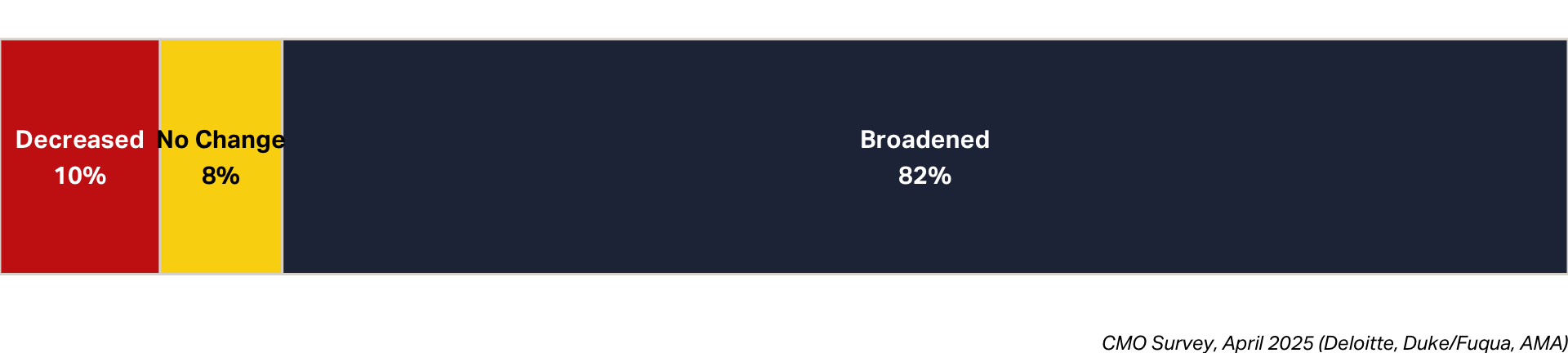
How has marketing’s role within your organization changed in the last five years?
Key questions
Who do we target? What do they think/feel/do? How can we influence their behavior?
What gives us a customer advantage?
How much are our offerings worth? How can we make them worth more?
How much is a customer worth to us?
When and how should we engage a customer?
What do we want to be known for? Is this perception aligned with reality?
Learning objectives
Understand the underpinnings of customer behavior so that you can create economic value for your organization.
Evaluate strategies to manage products, services, and brands that create sustainable competitive advantage.
Use quantitative marketing approaches to inform critical business decisions with data.
Create and evaluate the components of marketing plans.
Learn how to market yourself!
Hello, again!
Where I’ve been
Some of my work
Course overview
Grading
Component
Weight
Points
Class Participation
20%
20
Class Polls
10%
10
Learning Checks
30%
30
Team Consulting Sprints
40%
40
Total
100%
100
Grading
Component
Weight
Points
Class Participation
20%
20
Class Polls
10%
10
Learning Checks
30%
30
Team Challenges
40%
40
Total
100%
100
This is a participatory, discussion-format course
Active engagement is required
Quality > Quantity
Participation
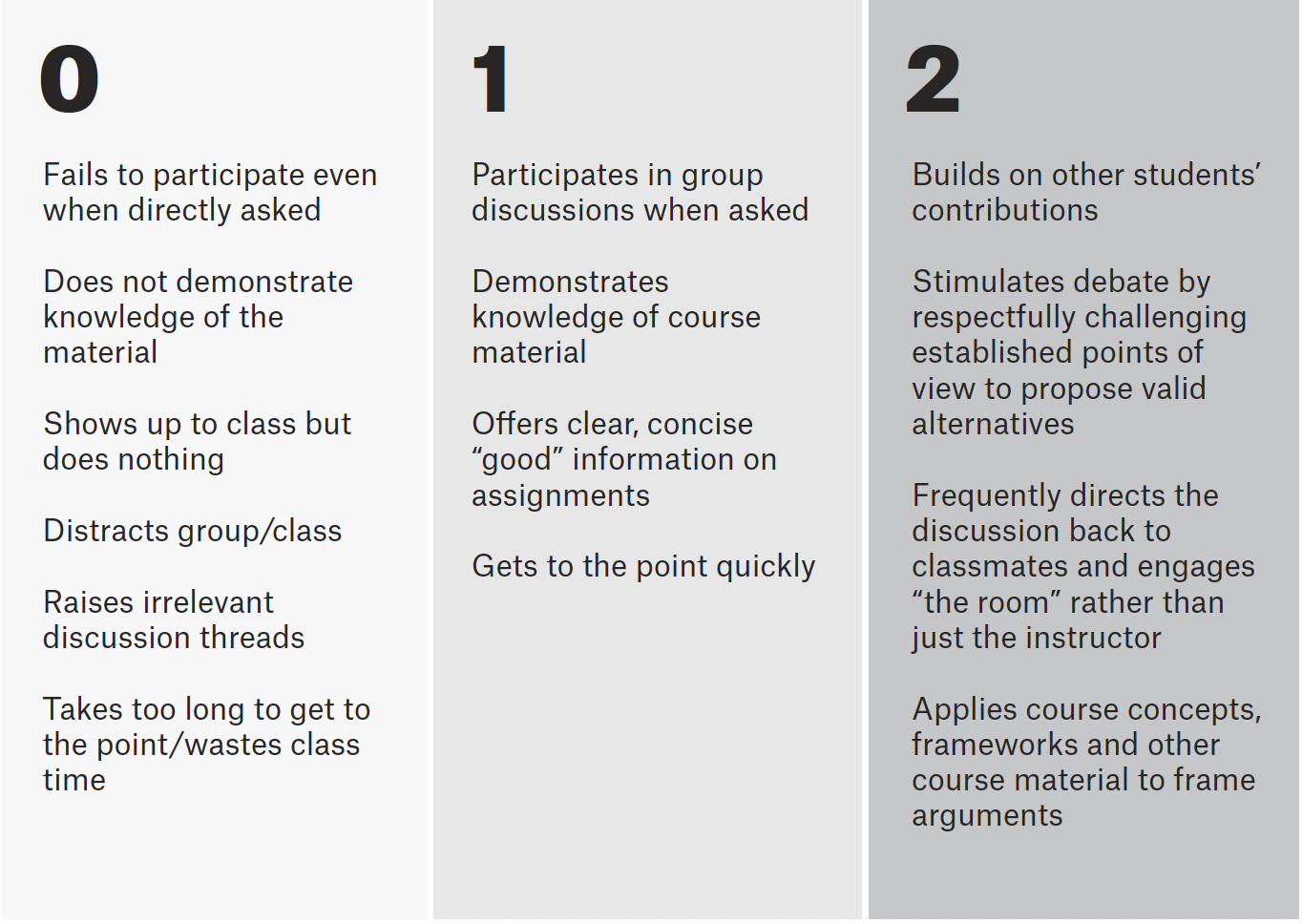
Most participation points are earned through in-class discussions. The TAs and I use the rubric to the right.
Participation = Leadership
Marketing can be dangerous
Grading
Component
Weight
Points
Class Participation
20%
20
Class Polls
10%
10
Learning Checks
30%
30
Team Challenges
40%
40
Total
100%
100
Cases are important components of the course
Cases are best way to earn participation points
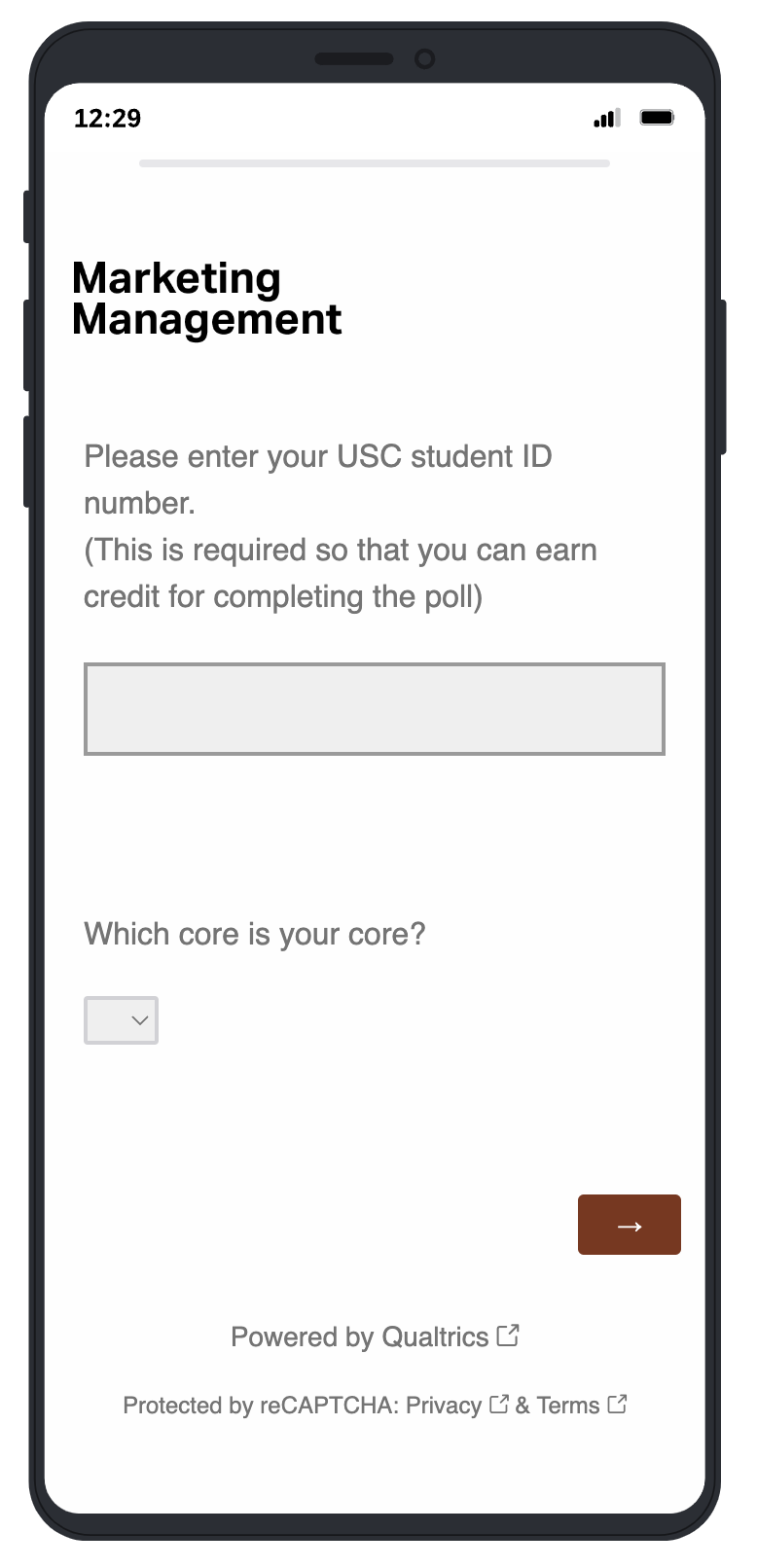
I use polls to prepare us both for the discussion
Case polls
Due midnight day before class with case
Usually take 5 minutes or so
Don’t take until you’ve read the case
Polls = 10% of course grade
Grading
Component
Weight
Points
Class Participation
20%
20
Class Polls
10%
10
Learning Checks
30%
30
Team Challenges
40%
40
Total
100%
100
Three modules to the course
Each module has a Learning Check
Quiz format–multiple choice and true/false
First 30 minutes of designated class period
Lowest score is dropped for course grade
Any score below 80% eligible for Mastery Moment
Mastery Moments
If you score below 80% on a Learning Check, you can take an essay-based follow-up test
Your mastery moment score can close up to half the distance between your initial score and 100%
Mastery Moments will be scheduled about a week after the corresponding Learning Check, subject to availability of TAs and Professor
There are no makeups or rescheduling for Mastery Moments
Asynchronous Content
This course includes quantitative components tied to core marketing analytics that every MBA should know
We will cover the basics in class
Video content has been created to help you learn more
The videos are optional, but you are strongly encouraged to watch them because they are designed to help you do well on Learning Checks
Videos can be found on Brightspace, along with other resources
Grading
Component
Weight
Points
Class Participation
20%
20
Class Polls
10%
10
Learning Checks
30%
30
Team Challenges
40%
40
Total
100%
100
Each module concludes with a team-based assignment
Time-boxed, in-class activity
Apply concepts learned in the module to a case-based challenge
Work must be submitted at the end of the class period
A 30-minute debrief follows in the next class session
Challenges
All grading is at the team level
Individual grades may vary +/- 10% from the team grade
Difference between individual and team grade at my discretion
Peer evaluations considered for individual grading purposes
There are no make-ups for Challenges, but teams can achieve full credit even if a member is absent
Attendance
I do not grade attendance
If you miss many classes, you can’t participate and earn participation credit
Statistically, there is a high inverse correlation between class absences and learning check scores
The class moves quickly. We cover a lot of ground. It is challenging to recover from missed classes.
Videos from every class are posted on Brightspace
Working together and what to expect…
Communicating
All assignments and in-class materials posted to Brightspace
Case prep questions and polls are all on Brightspace
Unless otherwise directed, submit all deliverables on Brightspace
Copy TAs when sending me emails (VincentCoreTAs@marshall.usc.edu)
Slides
Slides are provided to you as a convenience
Slides are not a complete record of classes
Slides supplement readings and lectures
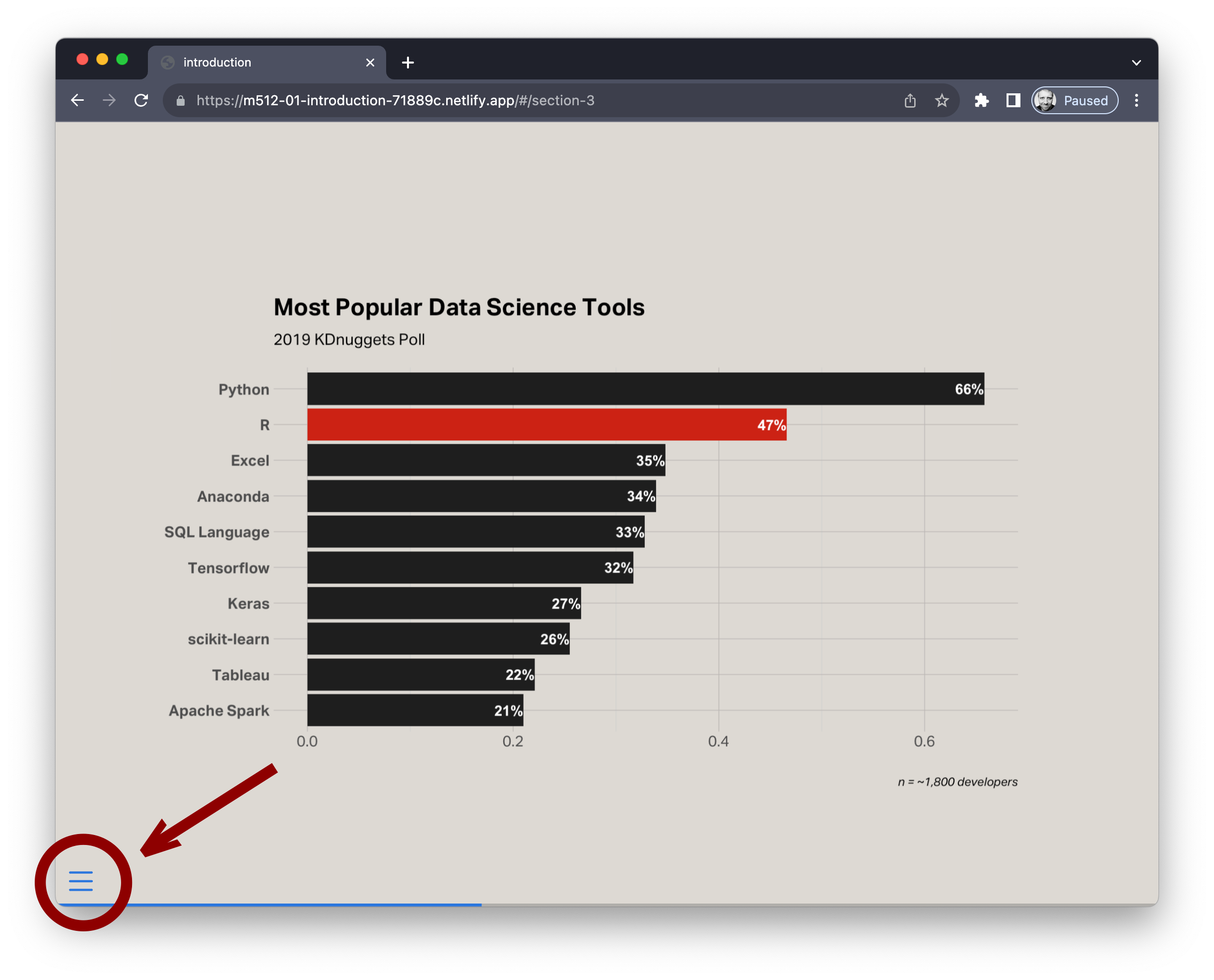
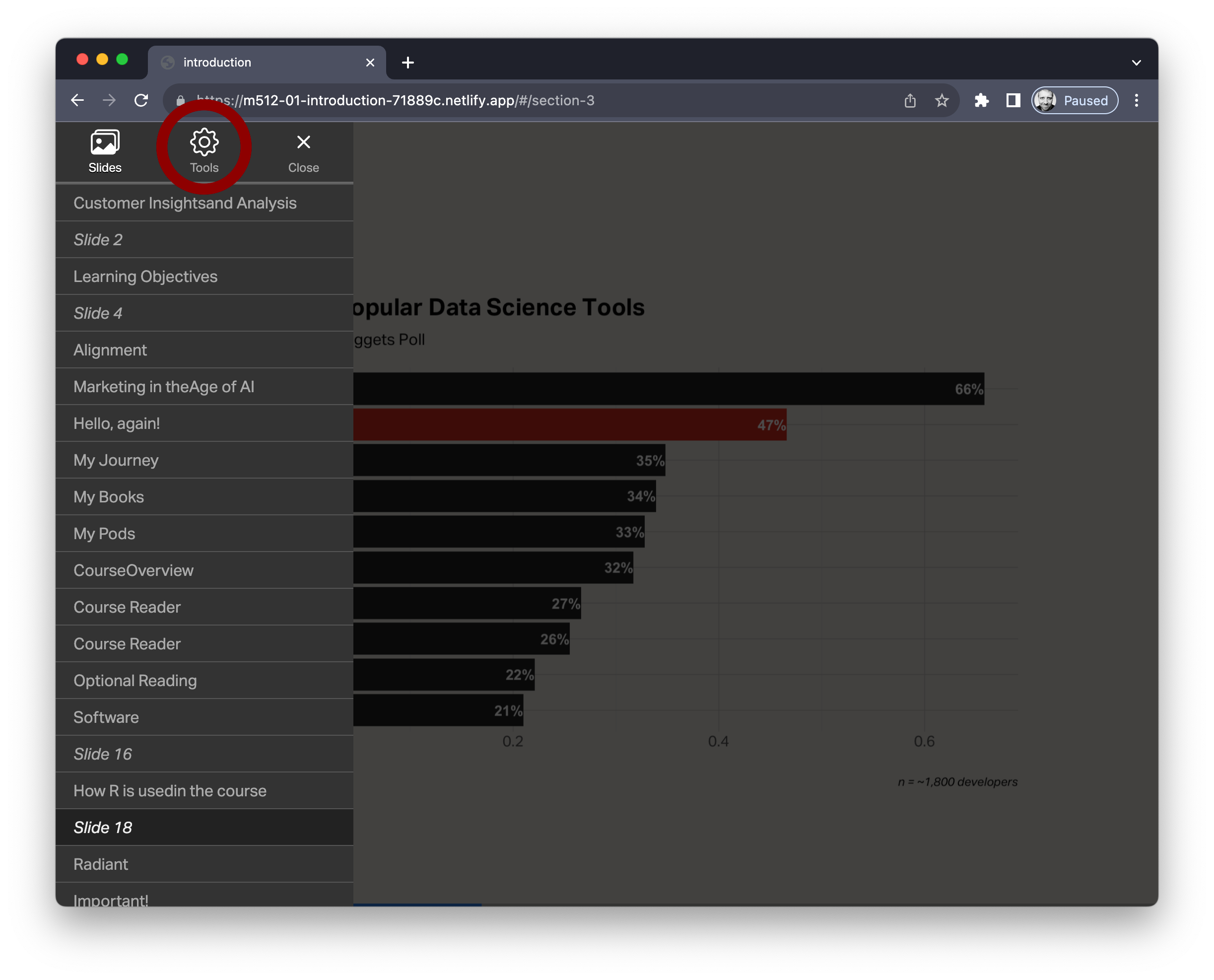
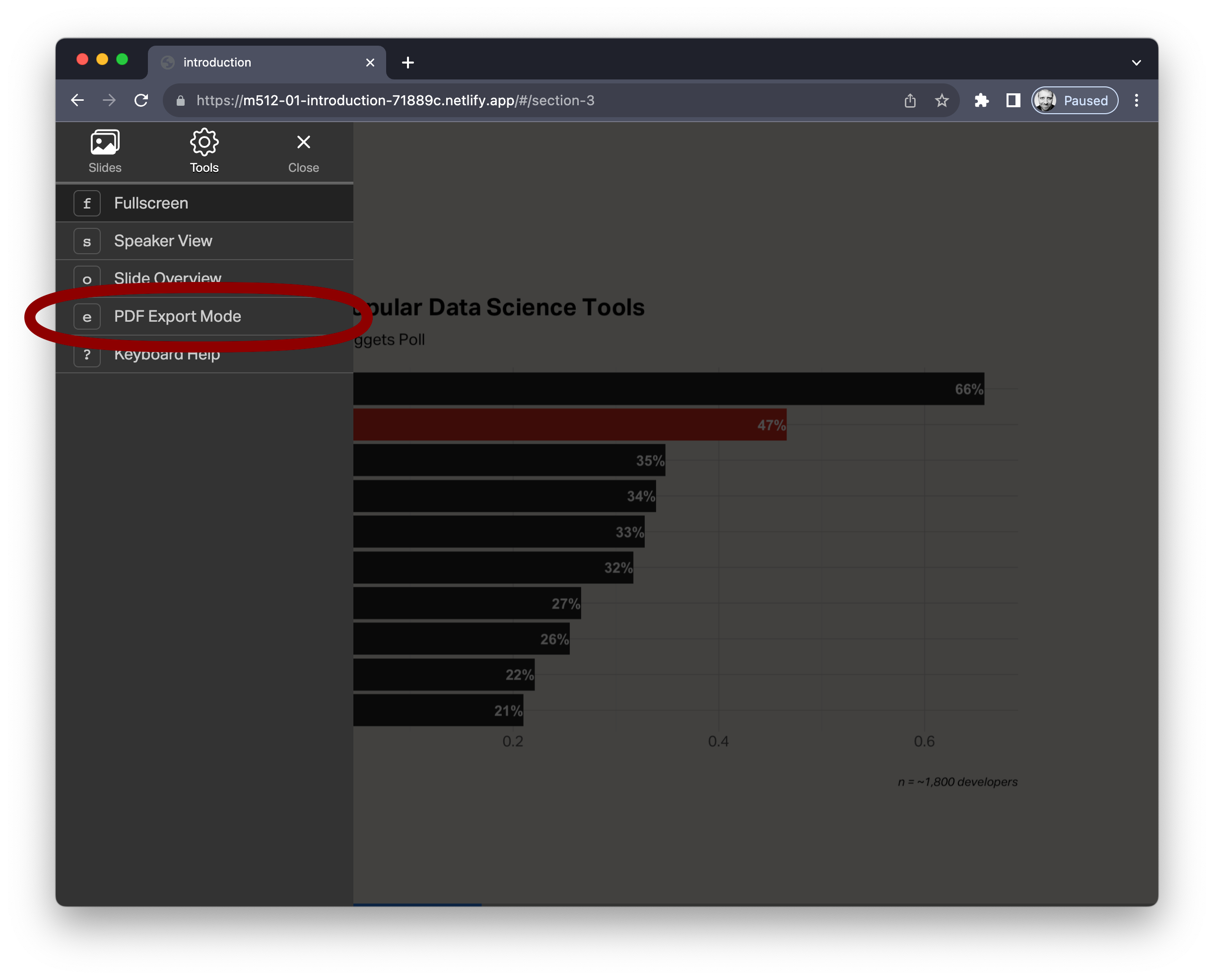
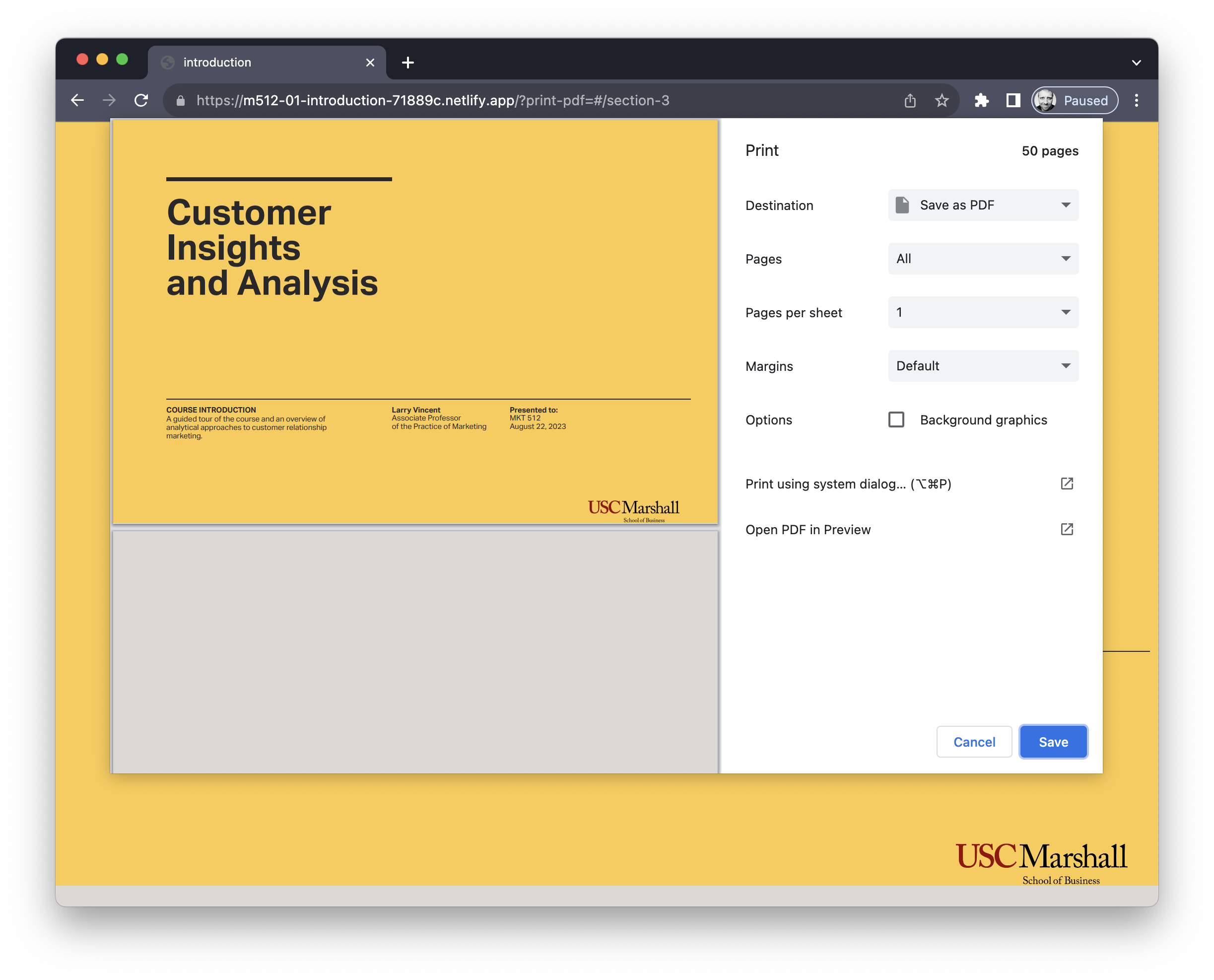
Slides are made programmatically, but can be saved as PDF
Creating slide deck PDFs
Creating slide deck PDFs
Creating slide deck PDFs
Creating slide deck PDFs
Electronic devices
The class is better when you are fully present!
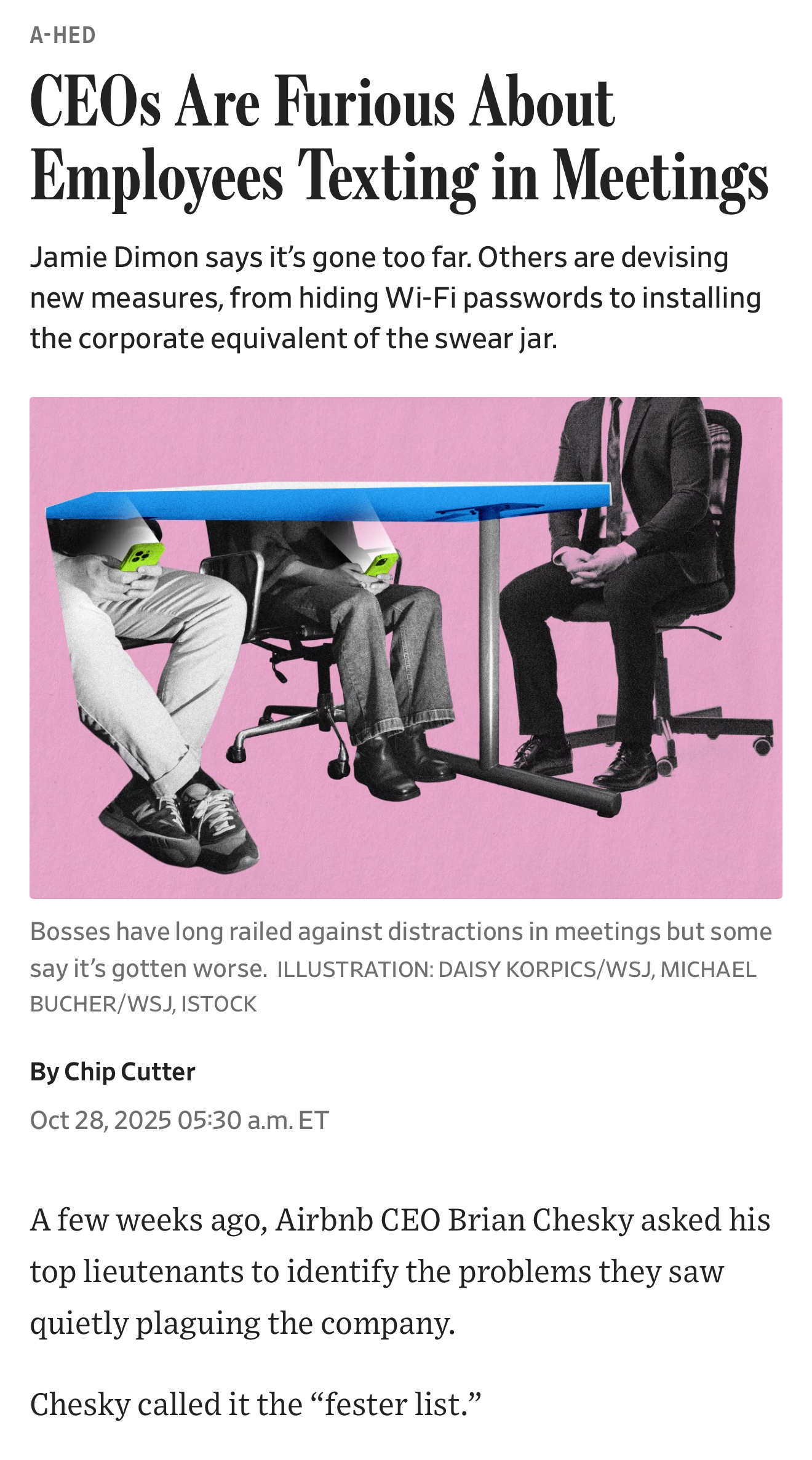
No electronic devices in class unless instructed to use for an activity
If you’re on a device during a case discussion, you may be asked to leave
Listen to Jamie Dimon
Office hours
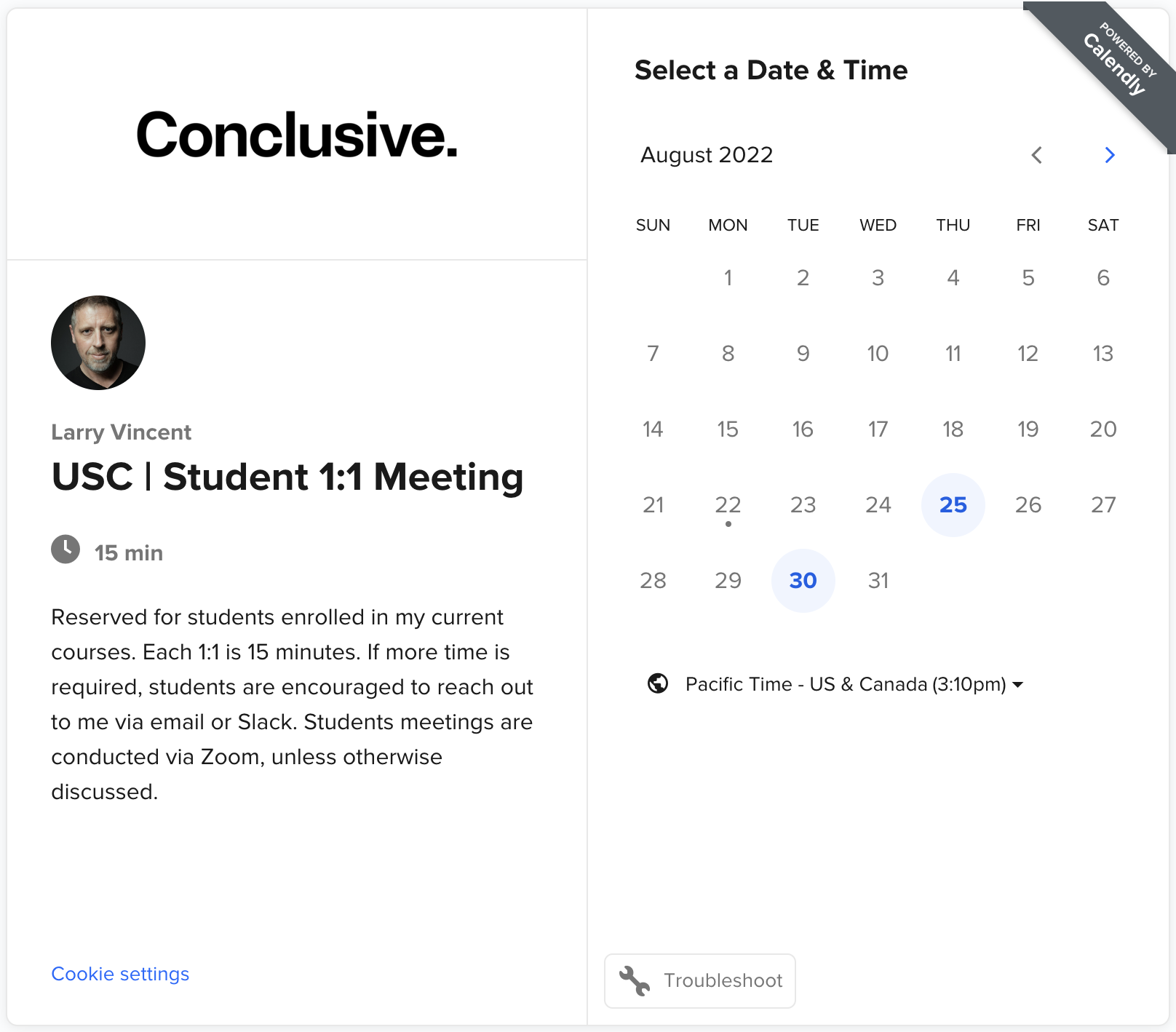
Available by appointment at https://calendly.com/laurencevincent
Meet 1:1 or in a group
Not limited to course-related topics
If you can’t find a time, email me
Let’s talk about AI
/imagine…
high definition photo-realistic cinematic mid-shot of a smiling USC MBA student, wearing the school’s cardinal and gold colors. They are pressing a button on a laptop keyboard and energy waves are streaming out of the screen blowing their hair back as if they were being blasted by high wind –aspect 16:9
Inspiration
Marketing in the Age of AI
Artificial Intelligence
I expect and encourage you to use AI in this course
DO use AI to brainstorm and “workshop” your ideas such as positioning concepts
DO refine your AI prompts and go beyond the first results
DO verify and double check the suggestions provided by AI
DO acknowledge your use of AI by citing properly in your assignments and other deliverables
DO be thoughtful about the appropriateness of using AI in an assignment and what it means
DON’T use AI on any quiz or exam without my permission
BEWARE AI workslop is graded accordingly
/imagine
high definition photograph in the style of Wes Anderson closeup young woman wearing a bright white, cloth headband. She has brown hair, cut into a medium bob. She looks like she has a punk attitude. Her clothing could be Vivienne Westwood. The background has a stark mustard hue, with patterned wallpaper on a wall behind her.
Source: Midjourney
Marketing + AI = Opportunities
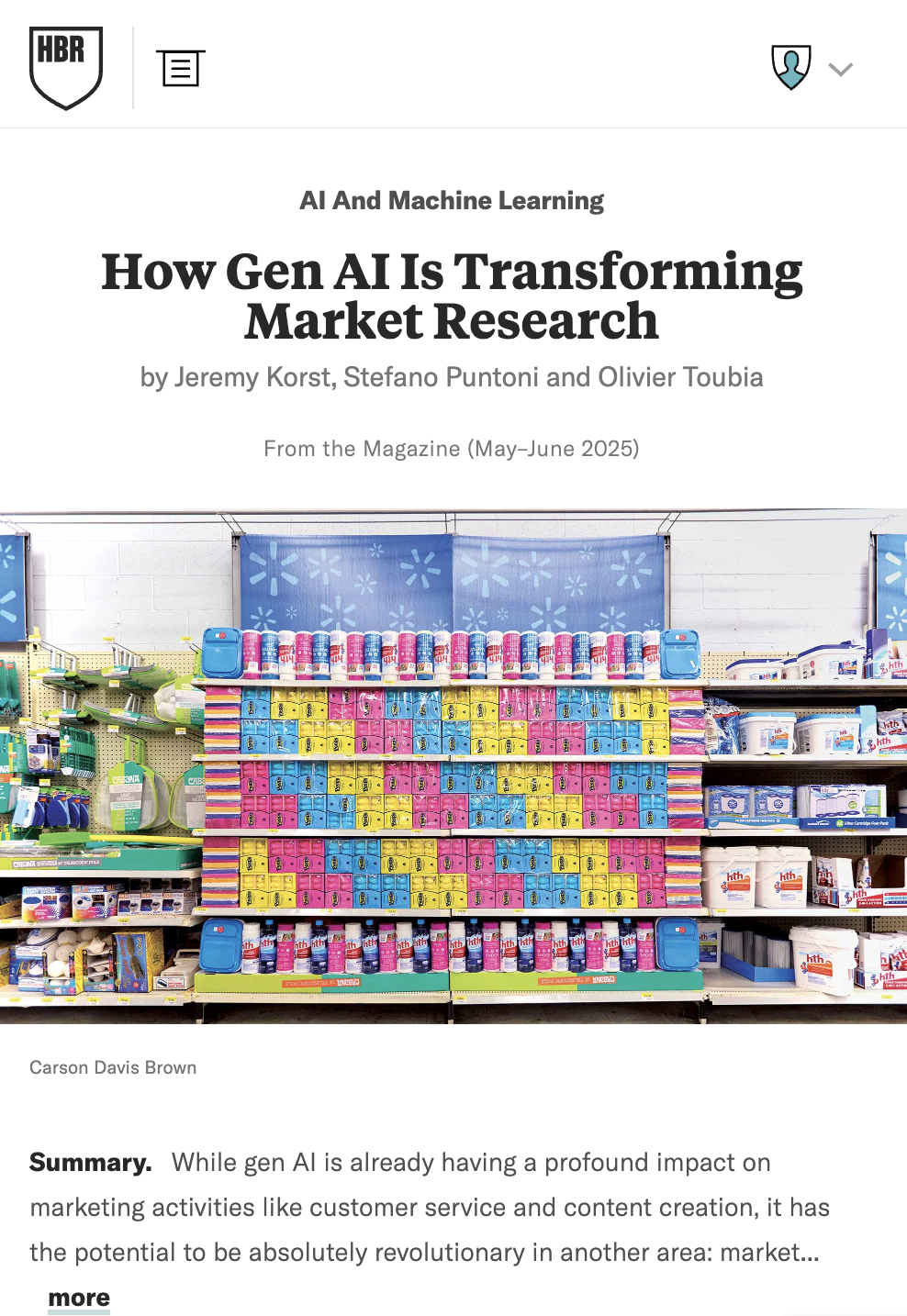
“Among all the managerial functions, marketing is likely to be the one that’s most disrupted by generative AI.”
Harvard Business Review
April, 2025
Next steps
For Thursday
Review syllabus
Read “Note on Marketing Strategy”
Complete the pre-semester profiling poll so I can get to know you and your specific interests