Designing and Delivering Value

Overview

Introduction to basic marketing strategy frameworks.

Presented by:
Larry Vincent,
Professor of the Practice of Marketing
Presented to:
GSBA 509
August 27, 2026

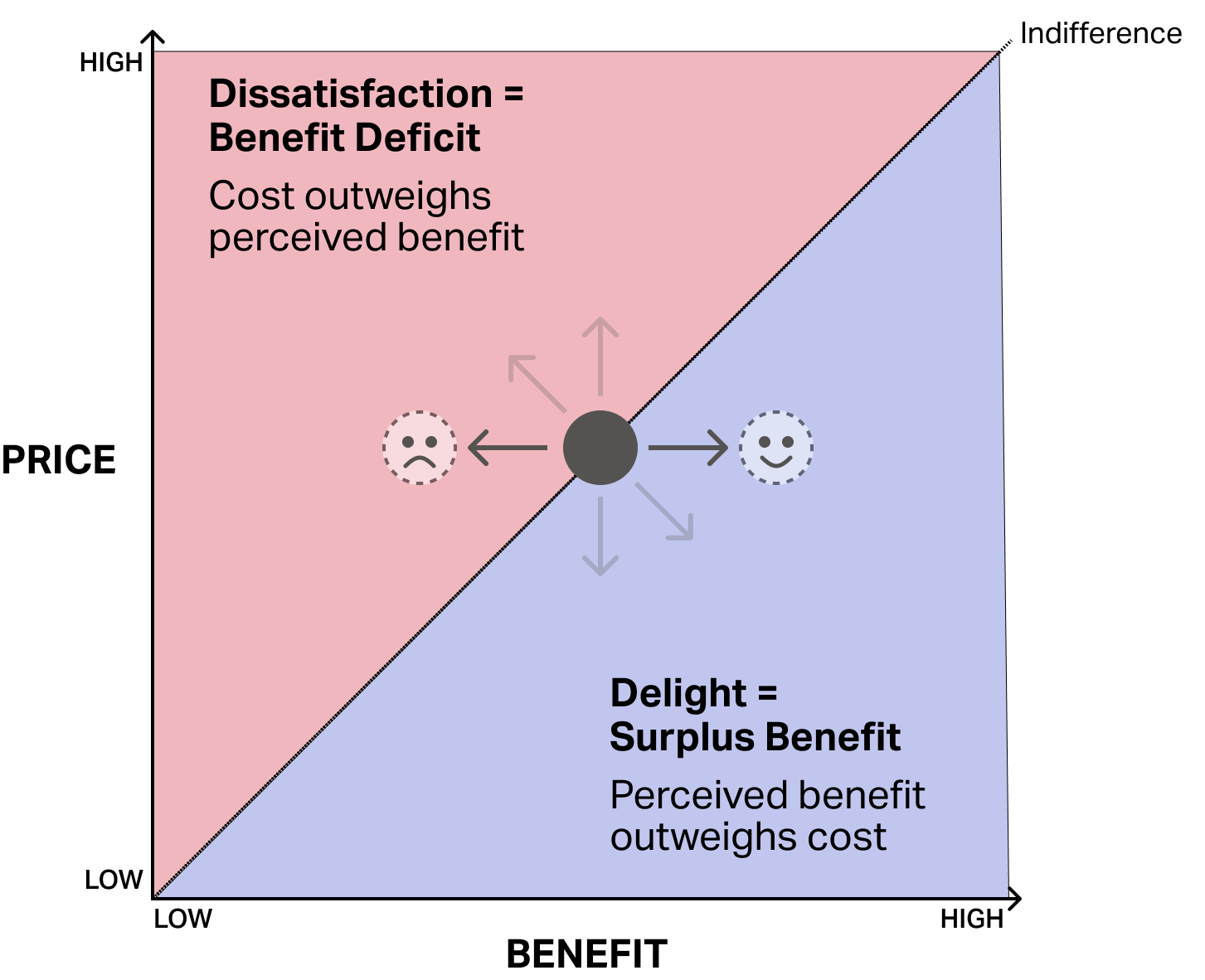
Consumer value trade-offs

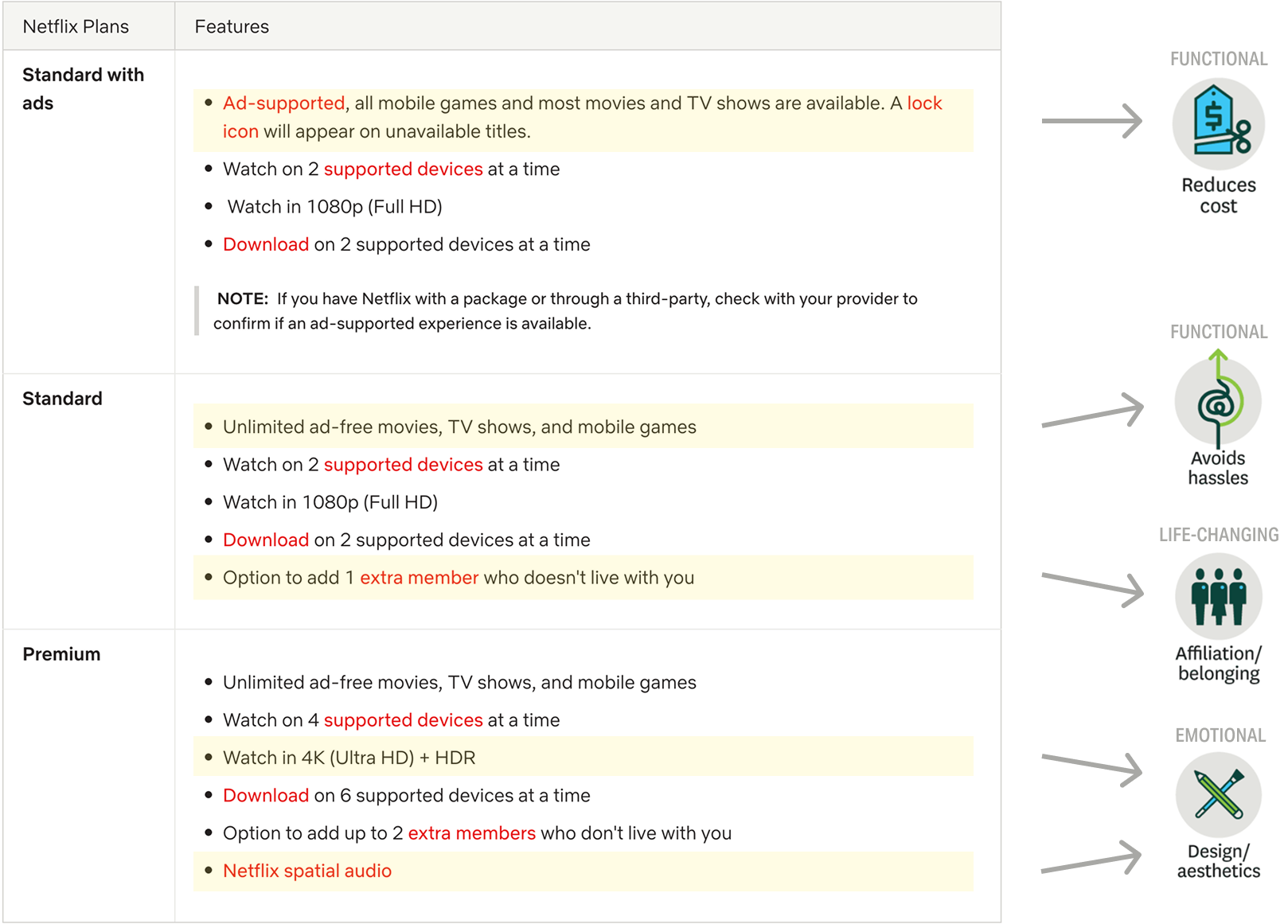
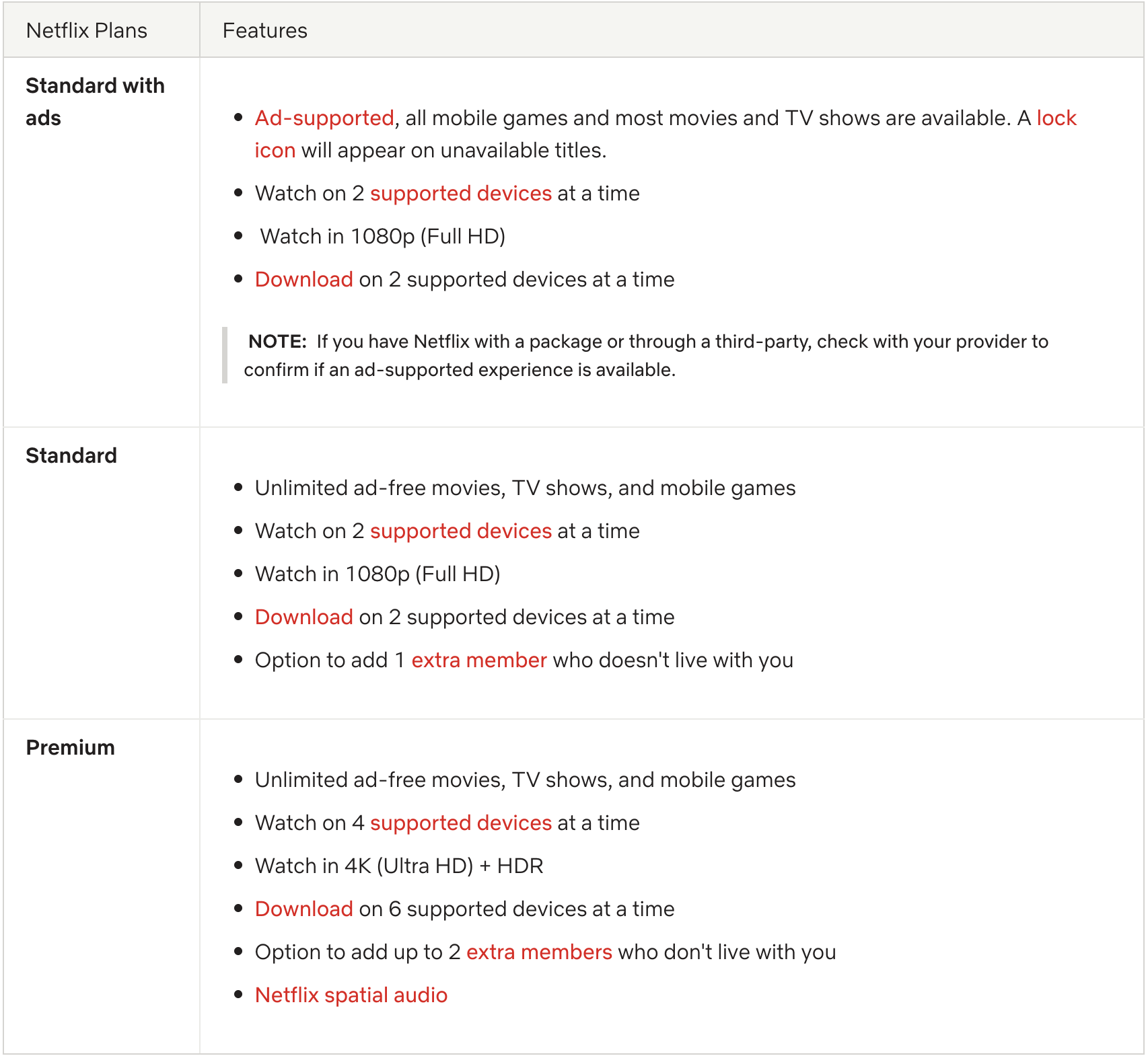
Netflix service tiers
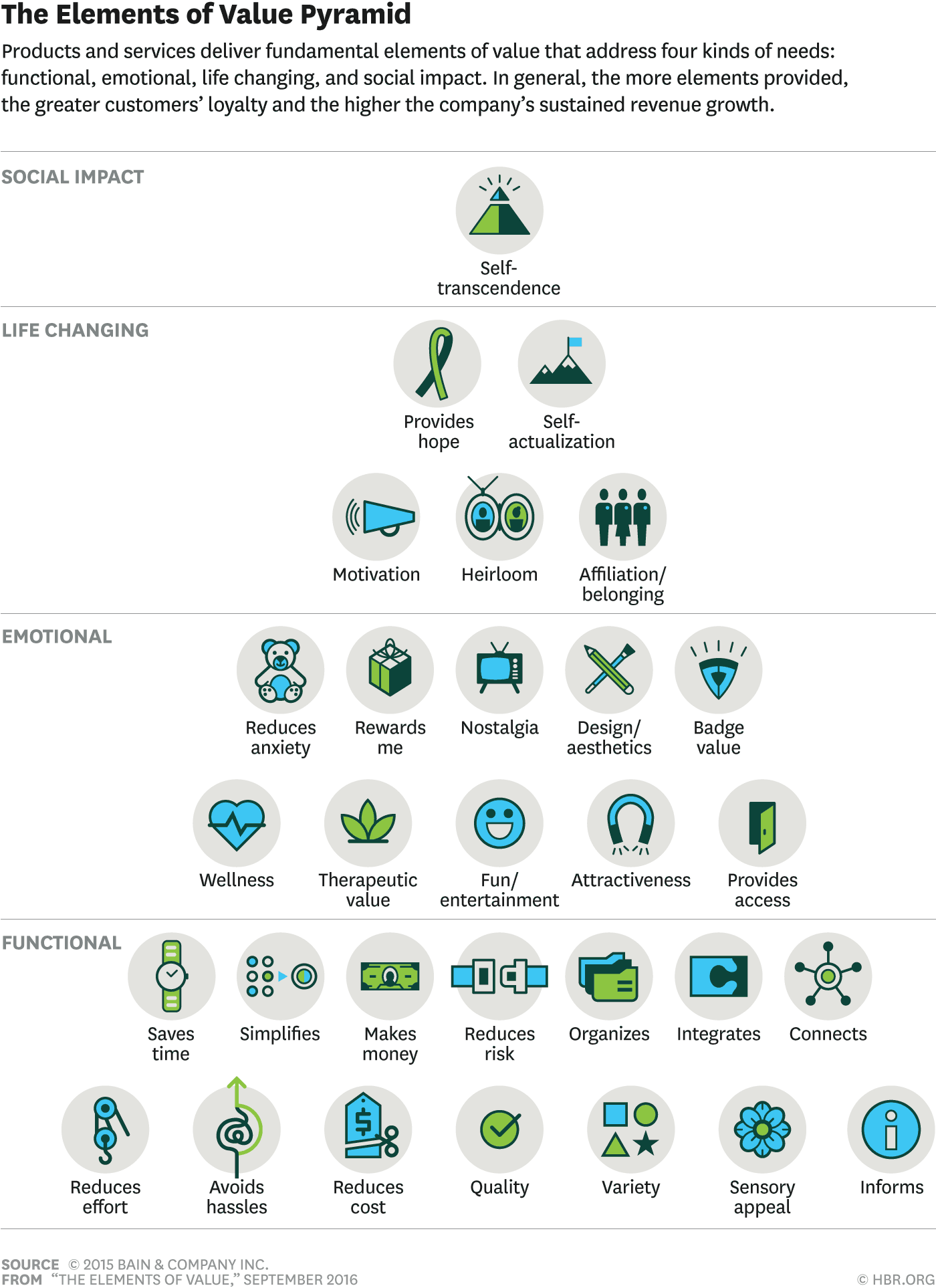
Consumer value trade-offs
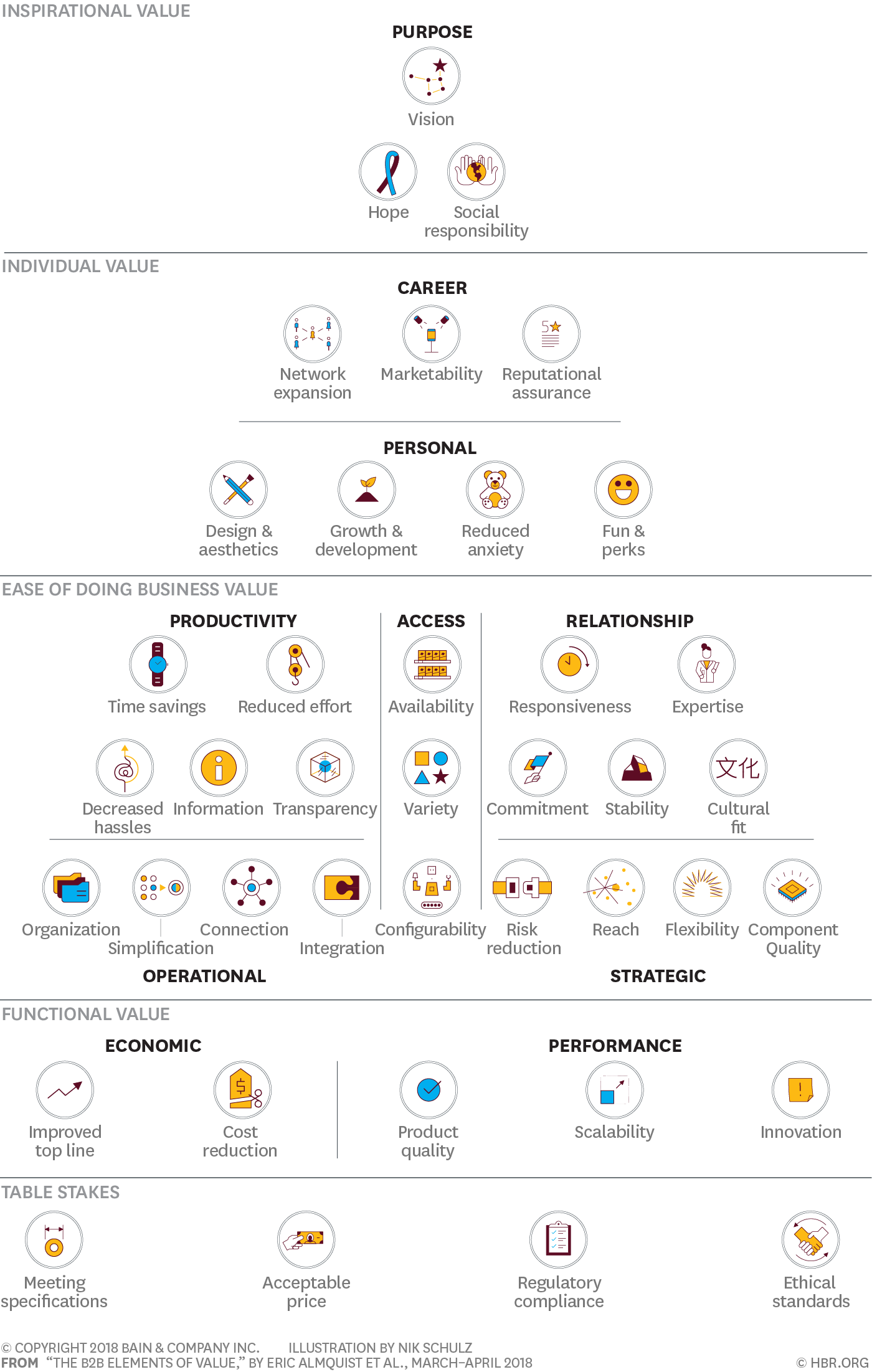
A business is a value delivery system.

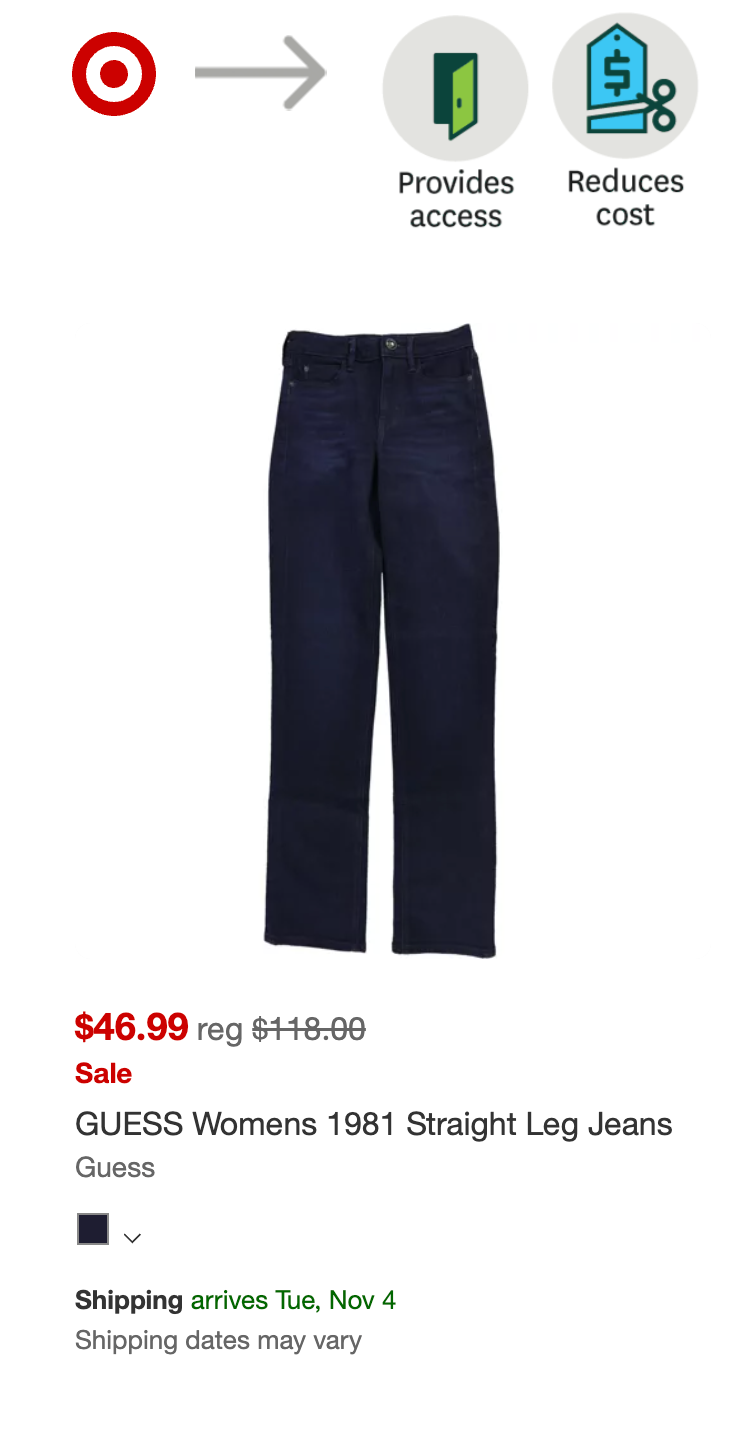
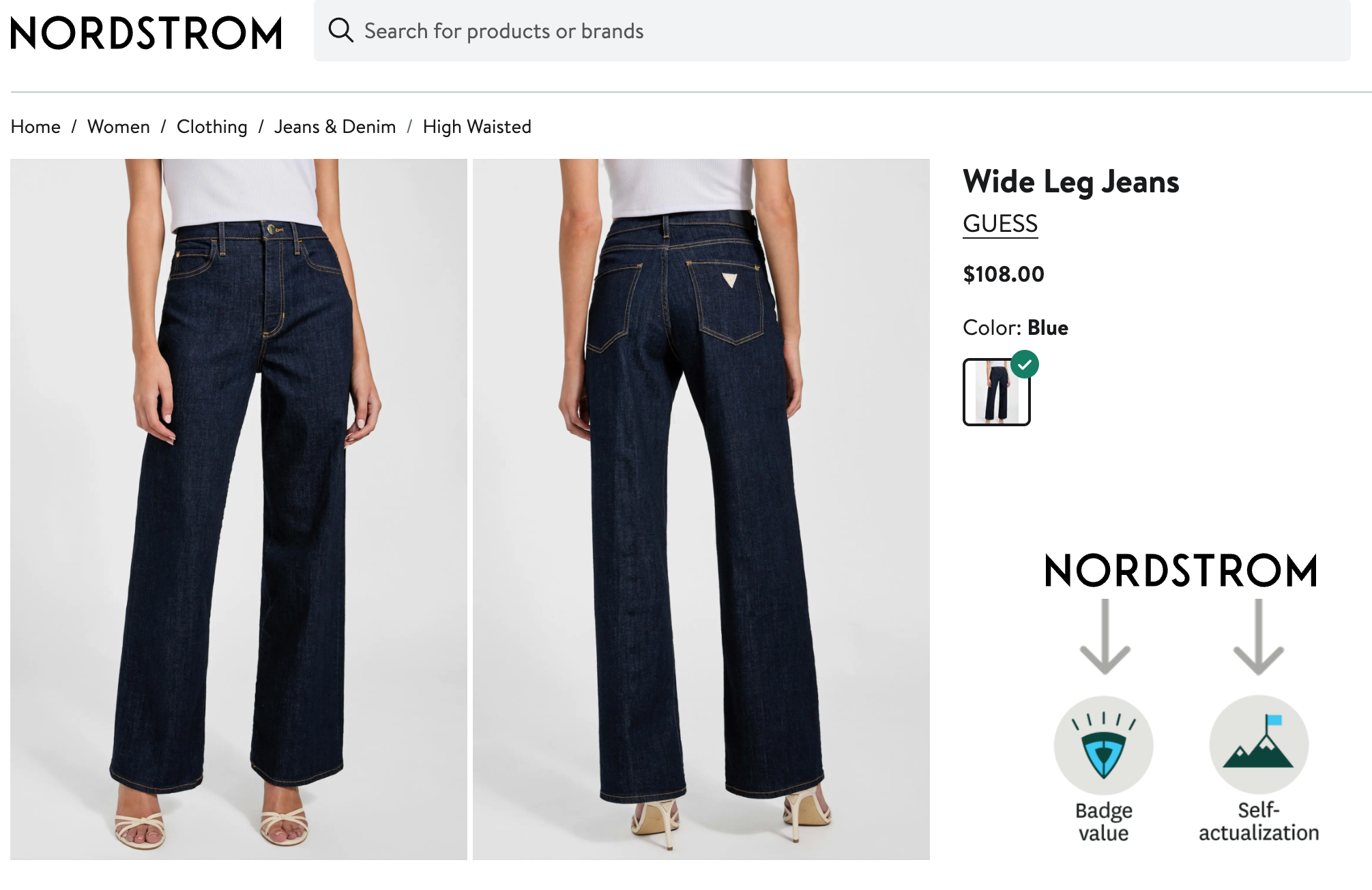
Consumer Value

B2B Value

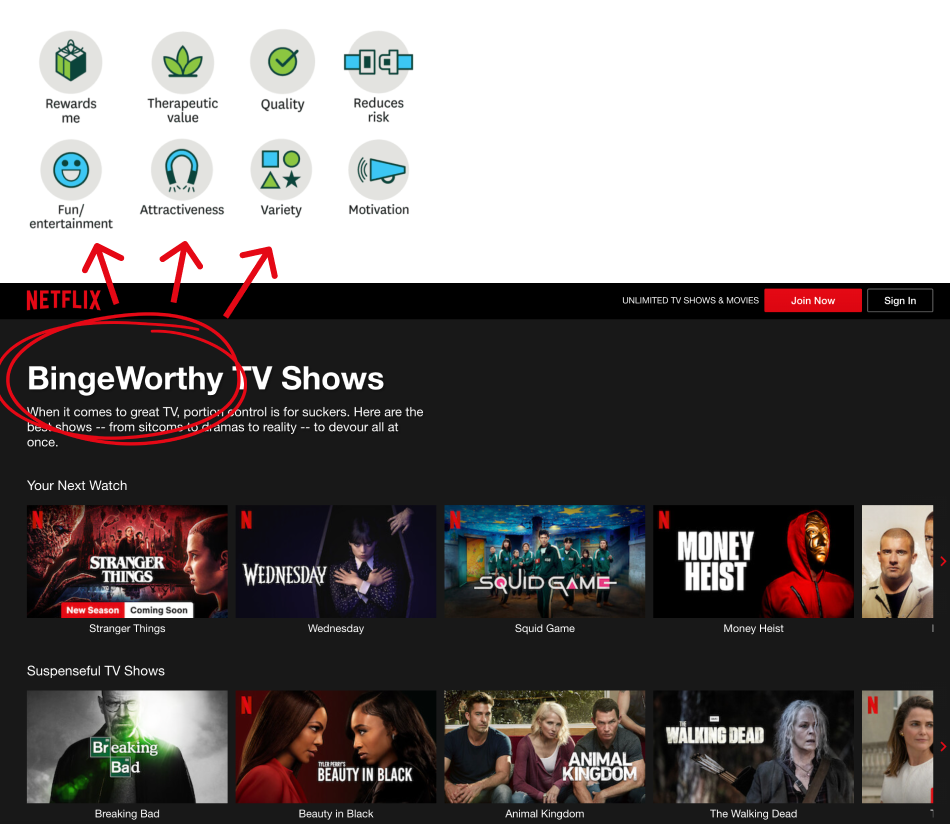
Netflix

Pricing
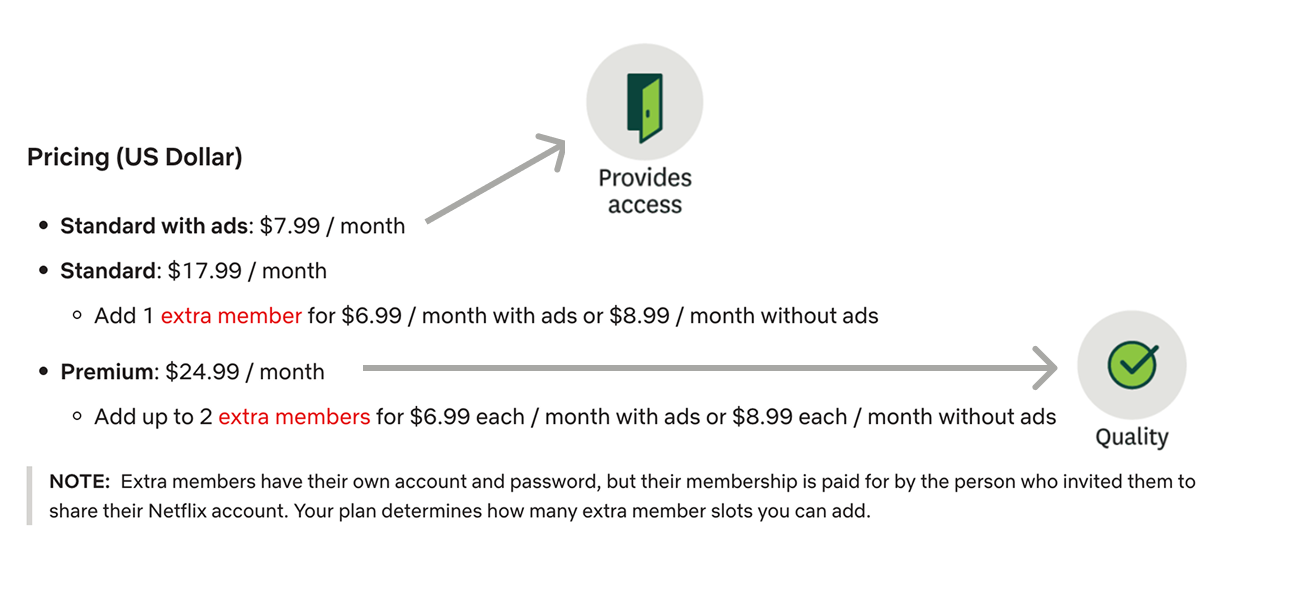
Why is it…

$7.99?
$17.99?
$24.99?

Pricing strategies

  • Premium pricing connotes luxury/quality
  • Skimming helps isolate specific, high-value customers and discourage challenging customers
  • Penetration pricing aims low for the purpose of gaining share
  • Value-based pricing aligns price with benefits (i.e. Netflix tiers)
  • Market-based pricing aligns price with industry and competitors

Promotion

Place

Place

  • Distribution channels where a product is offered (online through company’s website vs. ecommerce sites like Amazon, retailers, resellers, strategic partners, etc.)
  • Can reward or constrain growth–if a customer doesn’t have access to the product, they can’t buy it
  • Optimal placement can be expensive–margin hikes, slotting fees, minimum guarantees, co-marketing agreements, etc.
  • Sometimes considers “Push” vs. “Pull” strategic philosophy (take advantage of where customers are already vs. driving customers to a specific place)

Value propositions

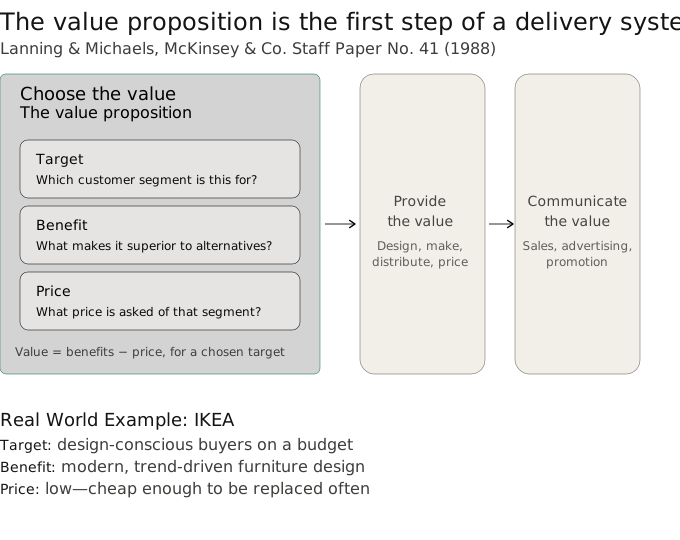
Value proposition

Competing on Value

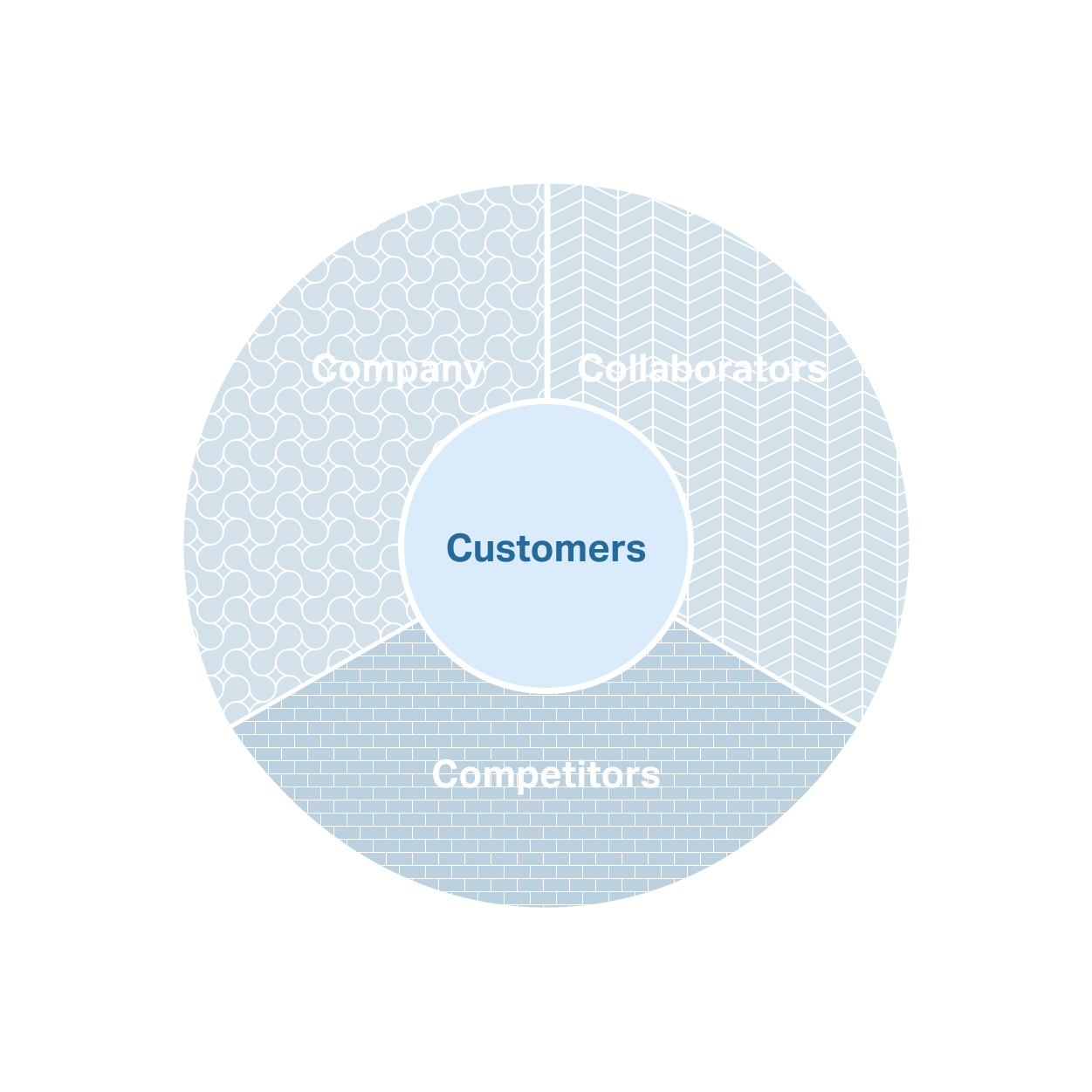
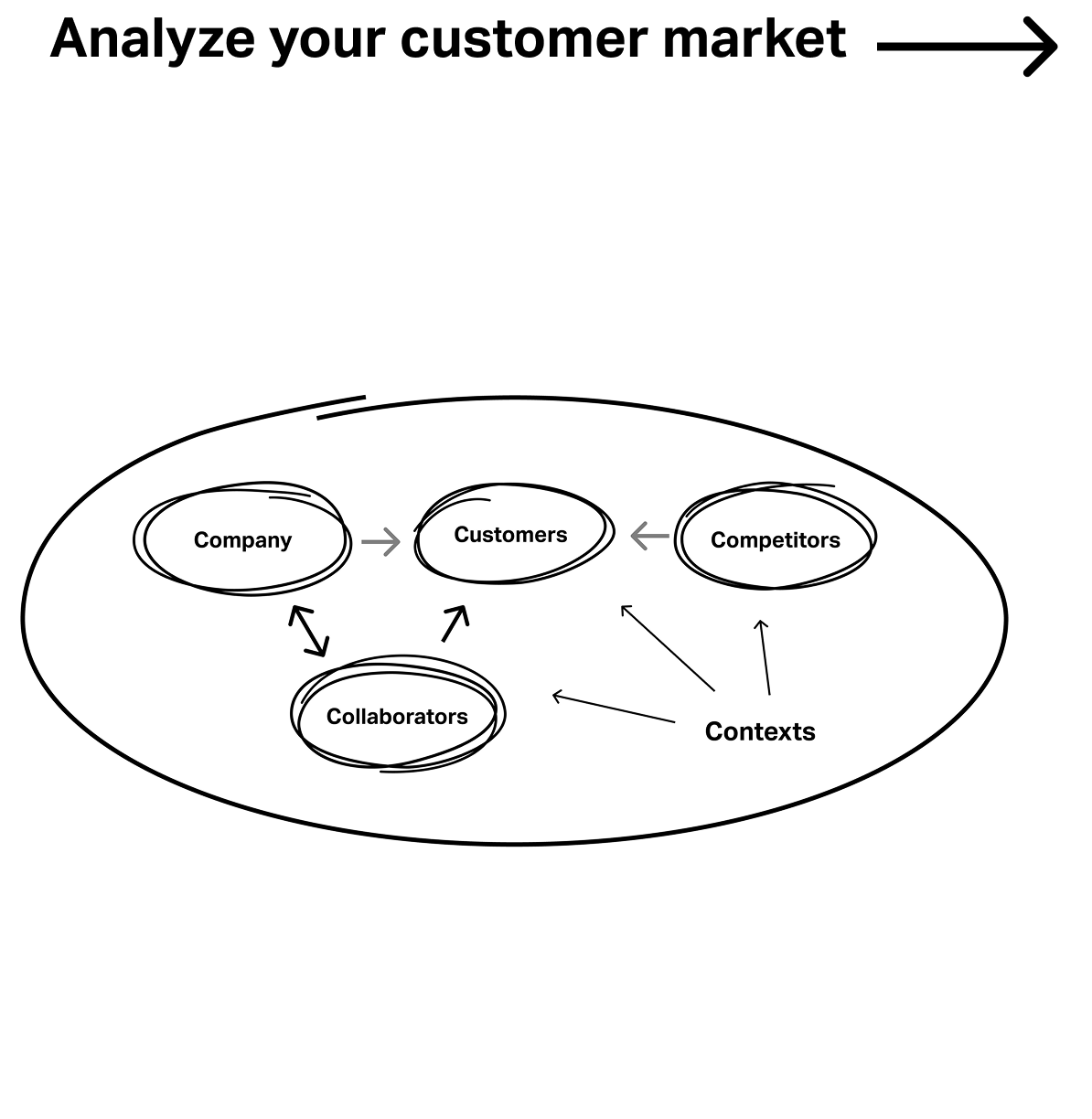
The 5Cs

Customers

Customer-centricty

A strategy that aligns development and delivery of a company’s products and services with current and future needs of a select set of customers in order to maximize long-term financial value to the firm.

Company

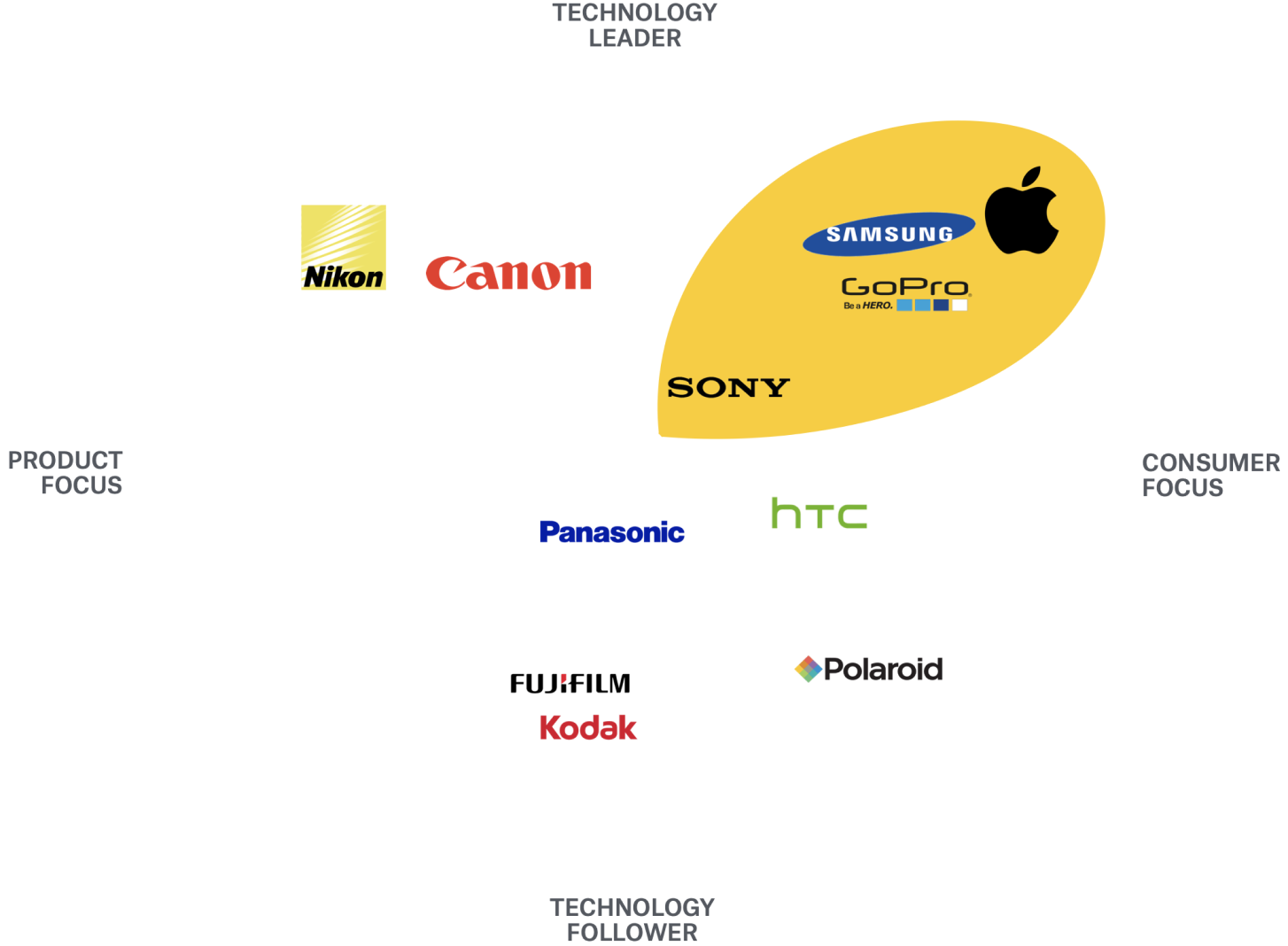
Competitors and substitutes

Nikon case
Collaborators

Collaborators

  • Any partner between you and the customer
  • Includes distributors, retailers, manufacturing and creative partners (among others)
  • Increasingly an act of co-creation in the design, communications, and delivery of value to target customers

Context

Context considerations

  • Purchase/use occasions
  • Technological disruption/innovation
  • Cultural influences and tastes
  • Legal and regulatory considerations
  • Geographic differences

Putting it together

Stanley example

5Cs Marketing Mix Value Proposition
Customers
Quencher women—young, slightly affluent women who care about healthy hydration and chic lifestyle
Product
Fits in cup holder; stays cool all day, scarcity
Target
Quencher women
Competitors
Yeti, Swell, Hydro Flask
Price
Maintain premium pricing but create value-add opportunities for promotion
Benefit
All-day cool hydration in convenient and stylish form factor
Company
100+ year history of manufacturing durable drinkware
Promotion
Lean on influencers and earned media
Price
Slight premium over competitors, but validated by scarce secondary market
Collaborators
Designers, influencers, brand partners
Place
Direct to consumer + select retail partners
Context
Growing importance of sustainability

Conclusion

Takeaways

  • Marketing is a discipline of choosing and delivering value to set(s) of customers
  • Value is perceptual–it can take many forms and it can be layered
  • A value proposition codifies the customer need, the benefits to be delivered to satisfy that need, and price point relative to alternatives
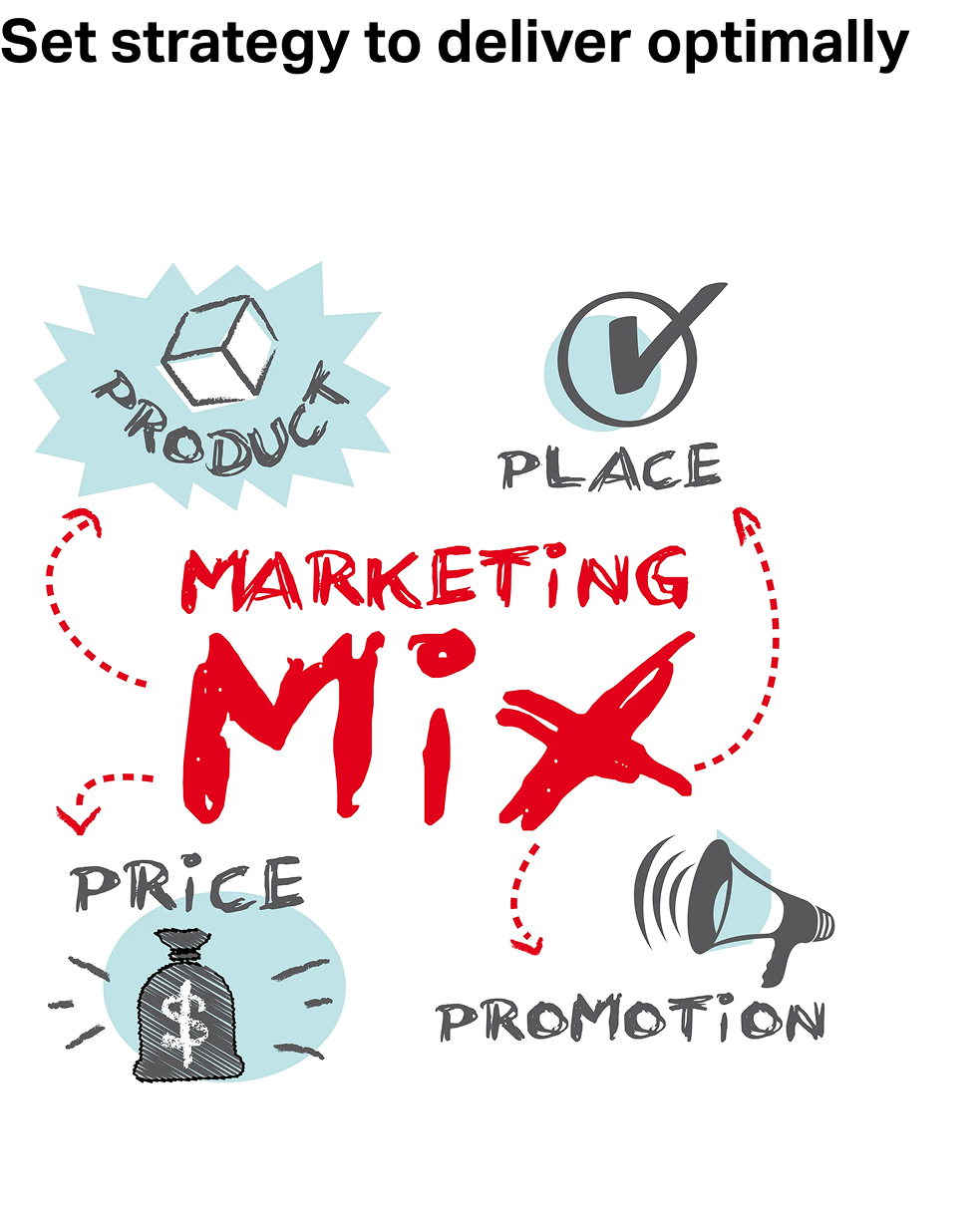
  • The marketing mix is the strategy to deliver the value to customers
  • The 5Cs provide a framework for analyzing market dynamics and identifying opportunities to create value