Segmentation and Targeting
Overview
Disaggregating customer markets, selecting the best option, and positioning for success.
Presented to:
GSBA 509
September 15, 2026
GSBA 509
September 15, 2026

Starbucks
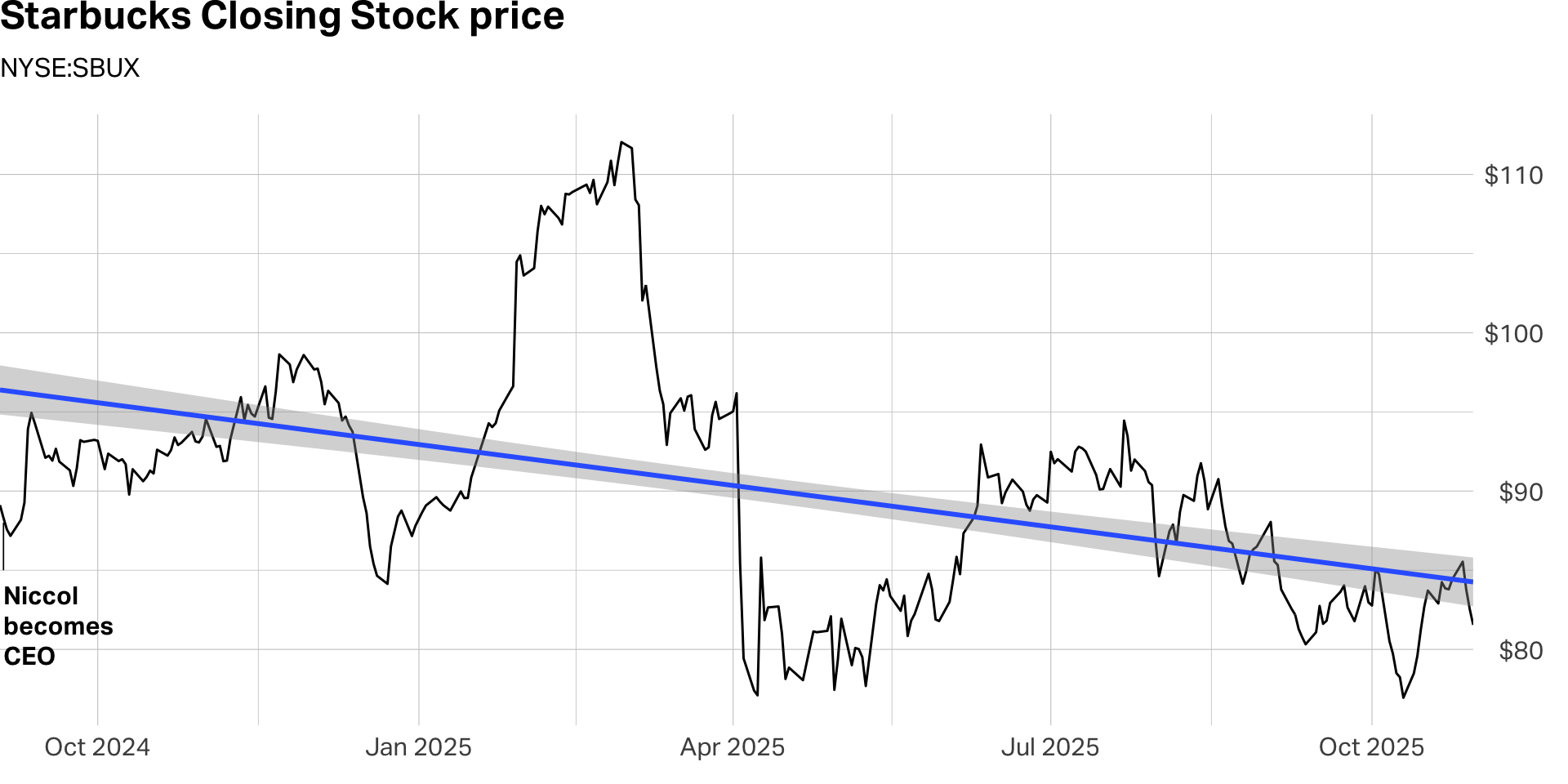
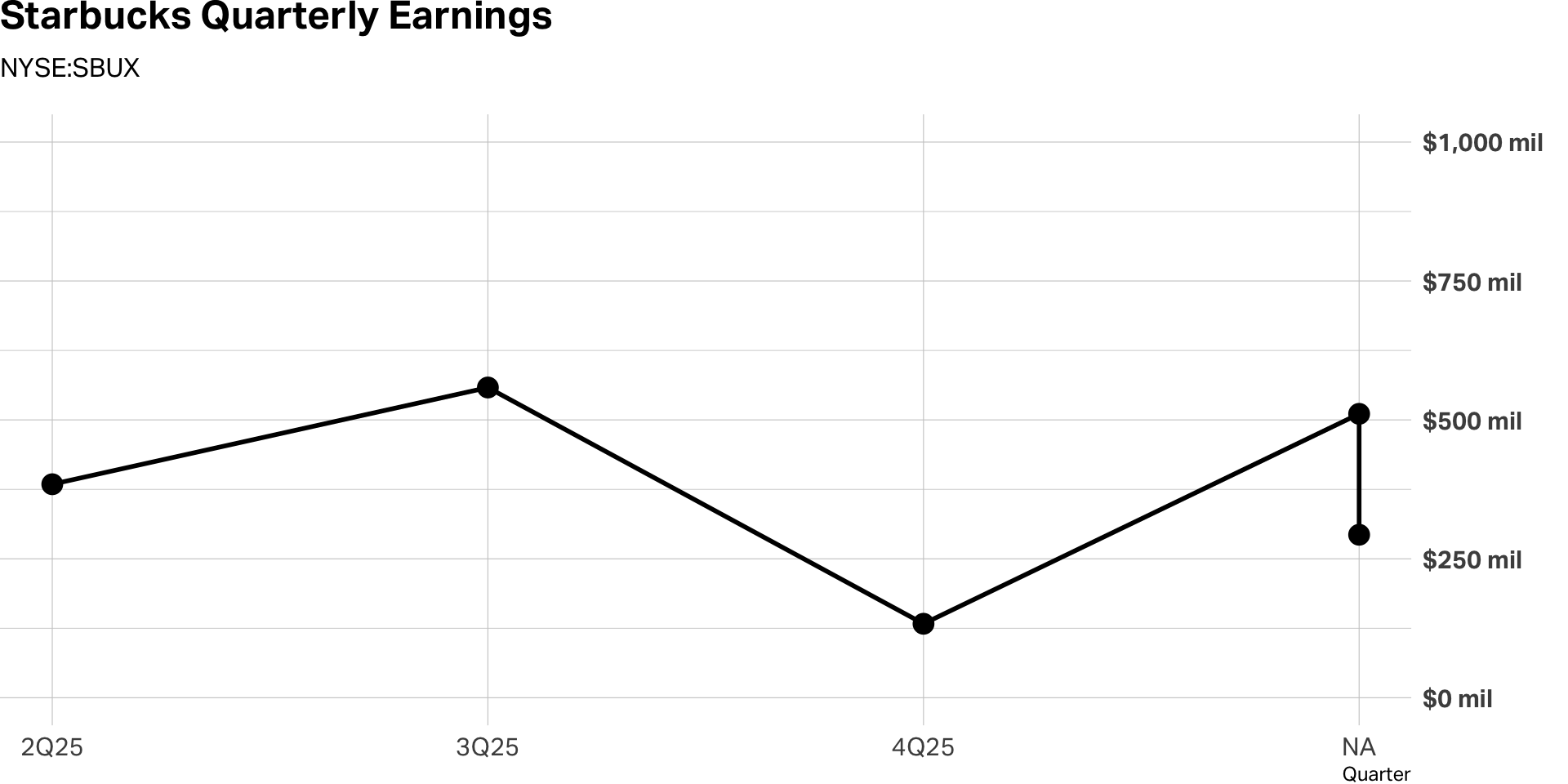
Recent performance
Customer challenges brewing
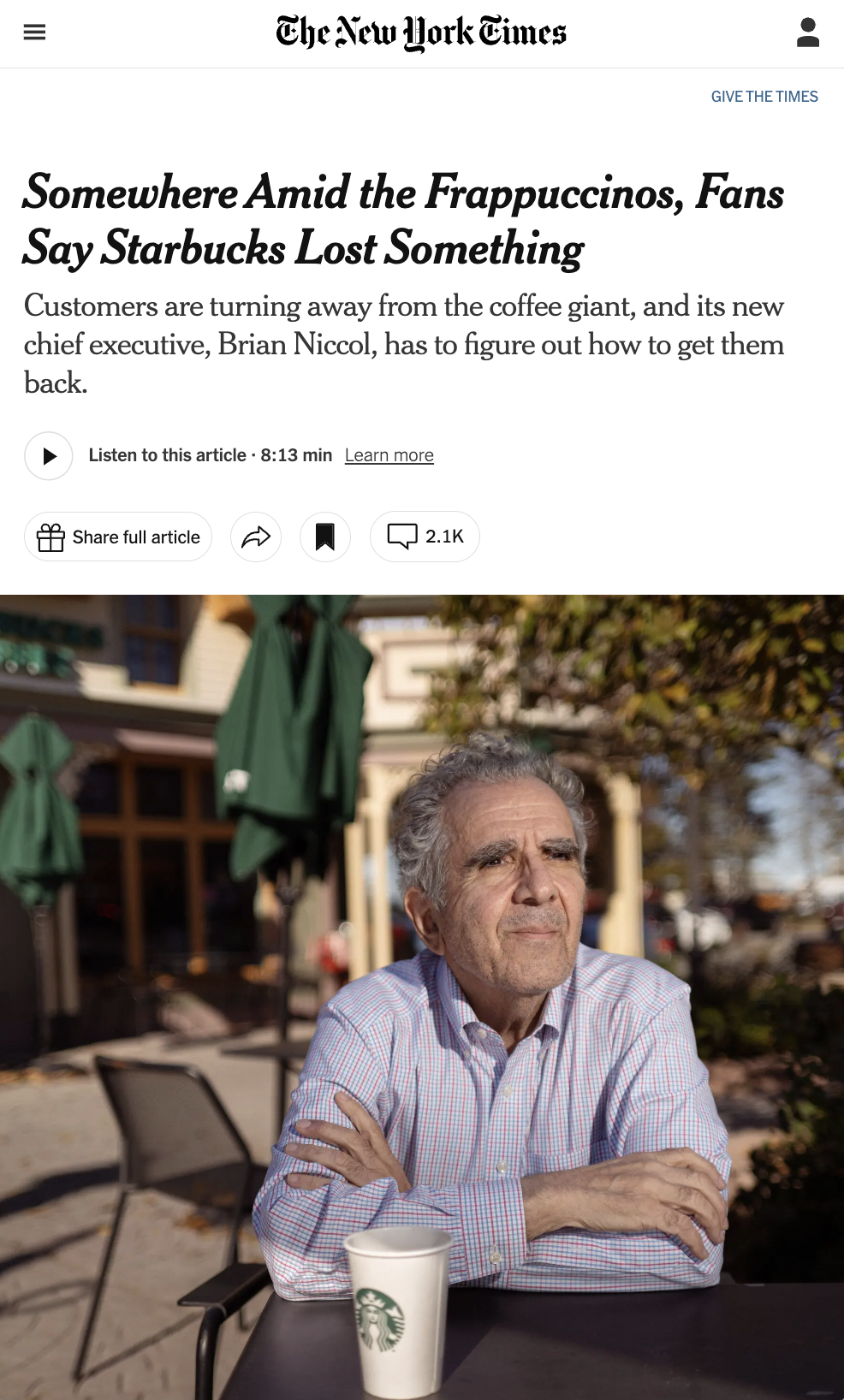
While waiting for his order, Mr. Tutunjian watches impatiently as baristas whip up Iced Brown Sugar Oatmilk Shaken Espressos or other foamy, iced, caramel-topped drinks for drive-through or mobile-app orders. Minutes tick by before he is finally handed his coffee (dark-roast coffee with a shot of espresso).
Green Apron Project
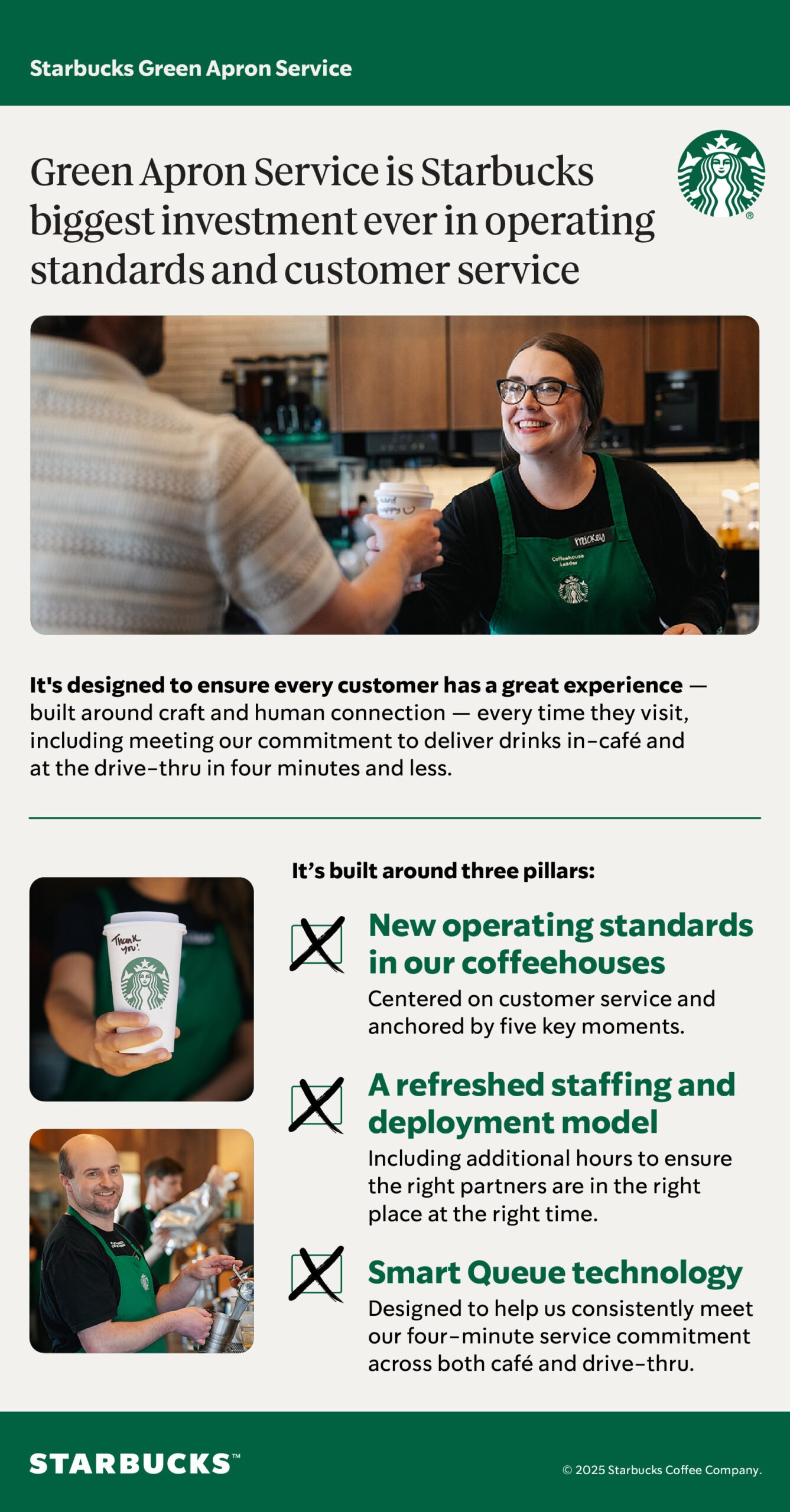
- $500M investment in additional labor hours - increased staffing, larger rosters, better peak coverage
- SmartQ technology - advanced ordering sequencing algorithm for consistent, timely service across all channels (cafe, mobile, drive-thru)
- “Five Key Moments” focused on craft and connection - personal touches, barista ownership, customer relationships
- More store-level ownership and coffeehouse walks to ensure quality
Store Visits
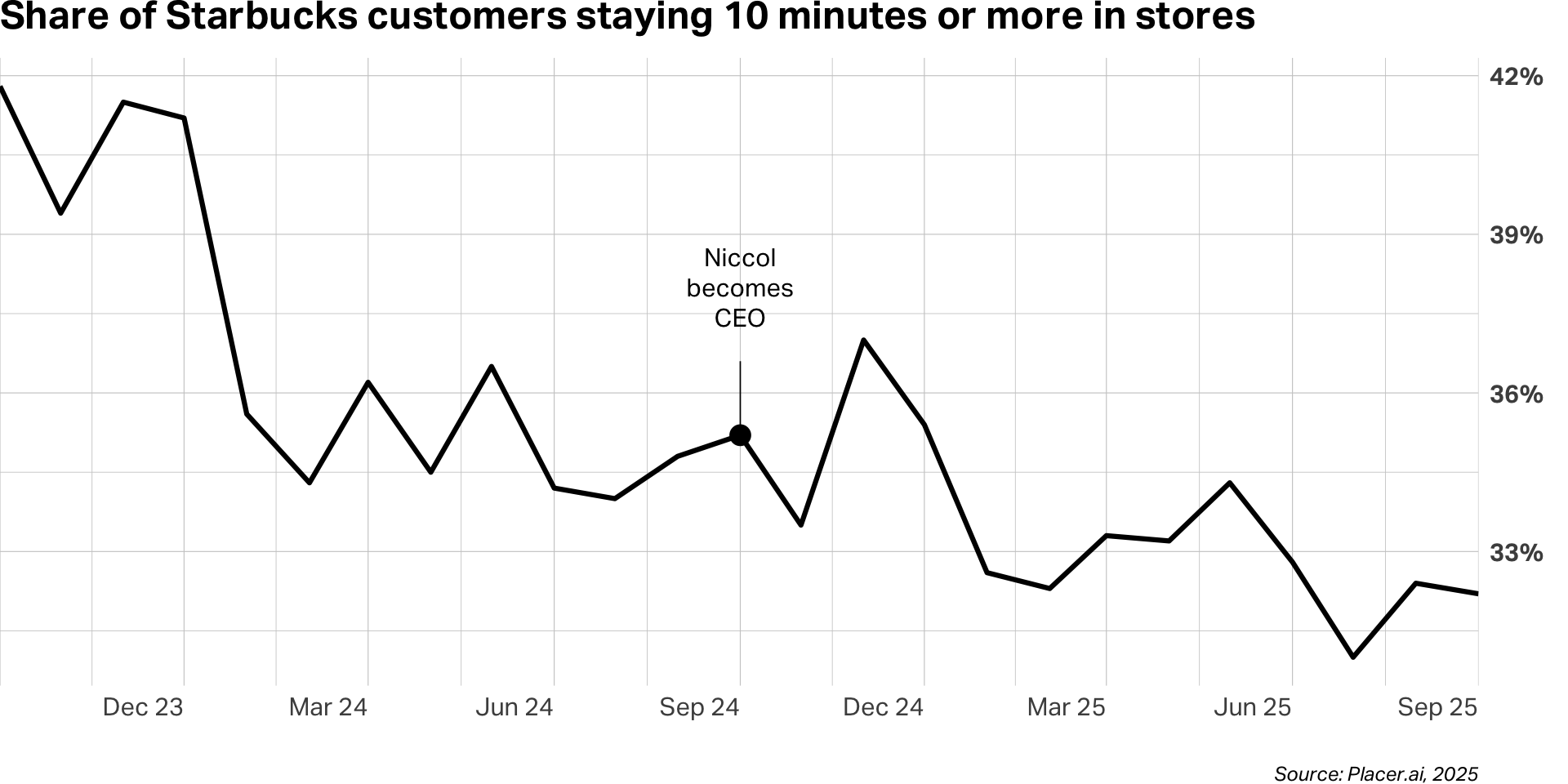
Same Product. Different Jobs for Different Customers.
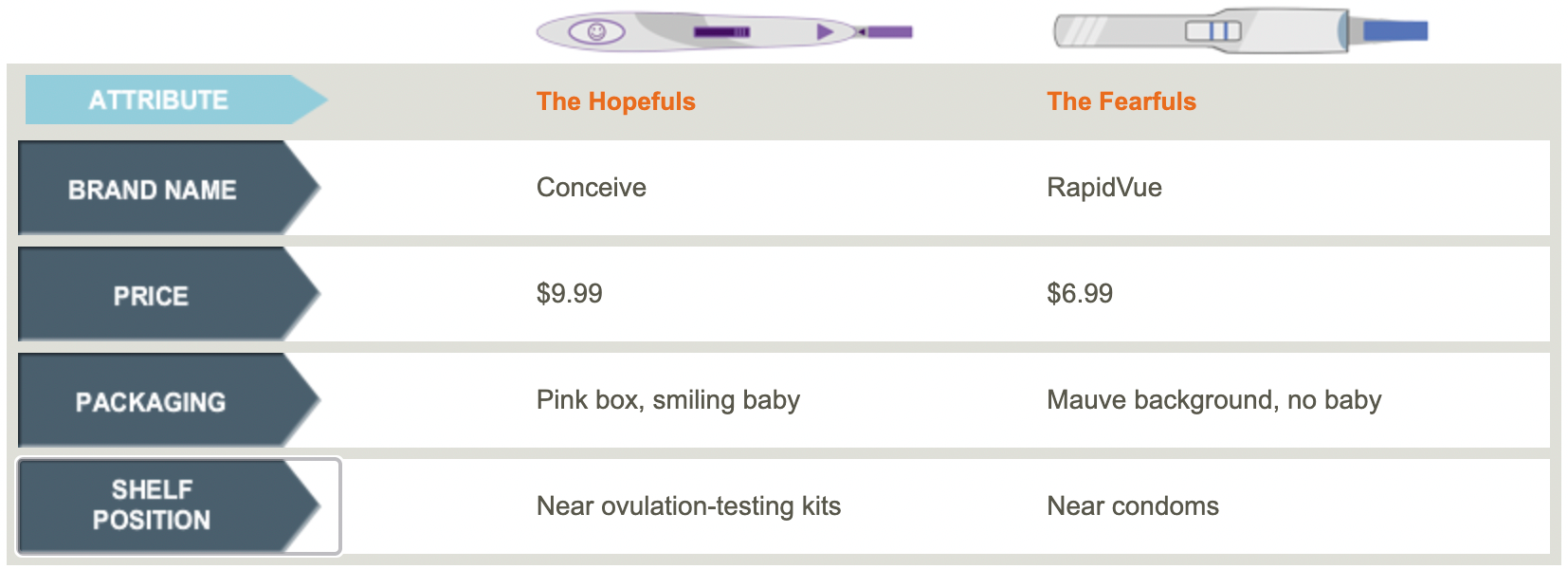
Source: Sunil Gupta, “Segmentation and Targeting,” HBS 2019.
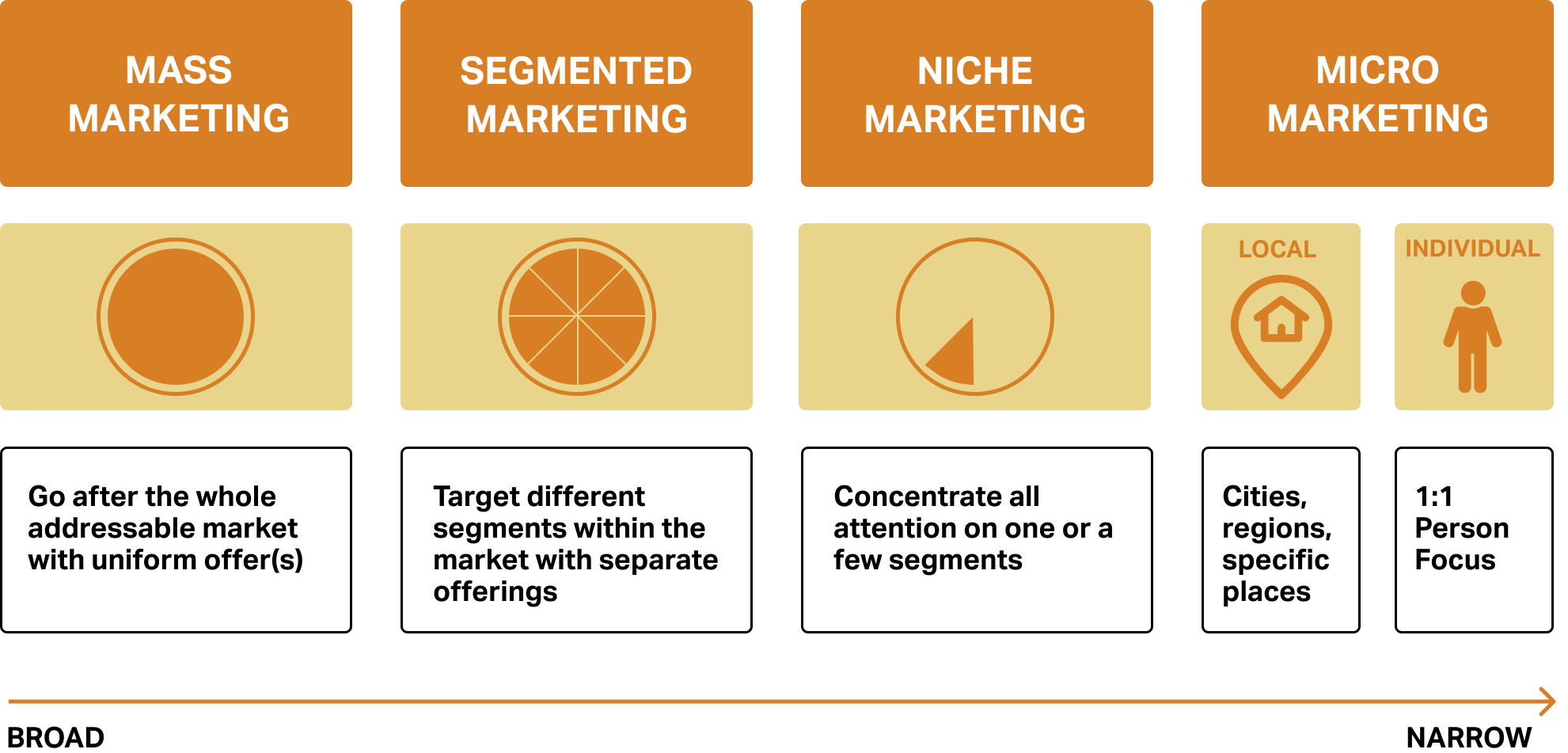
Segmentation
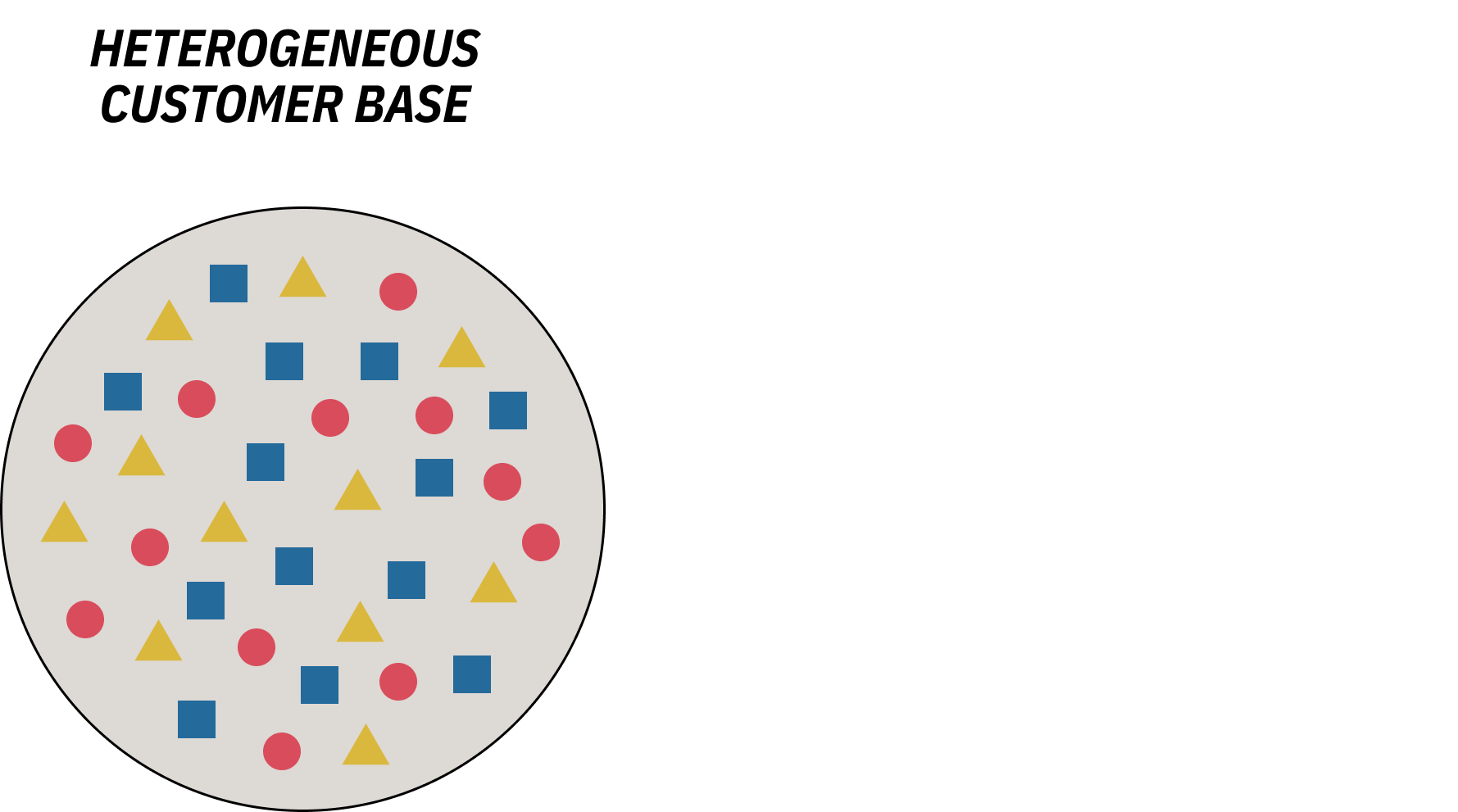
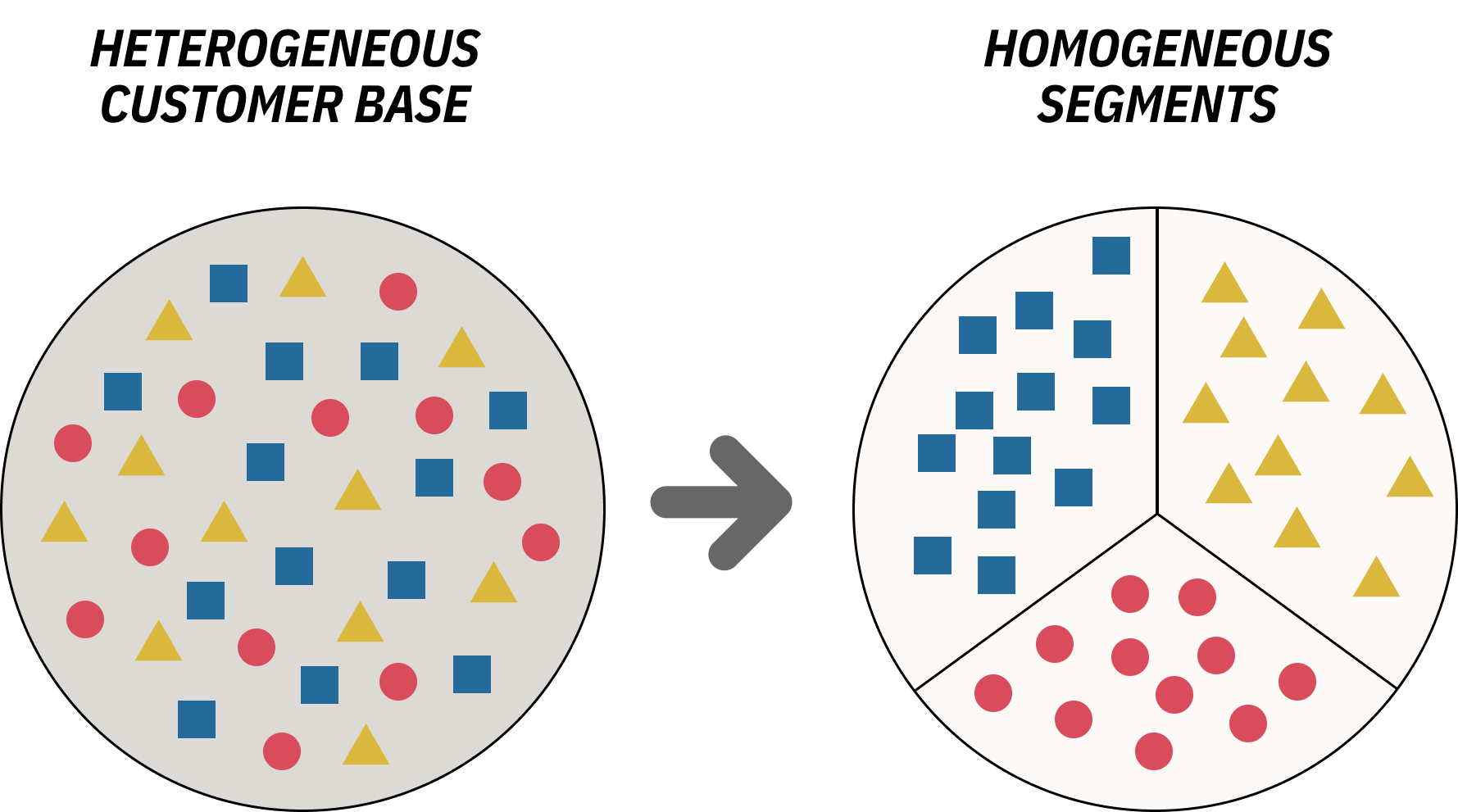
Segmentation
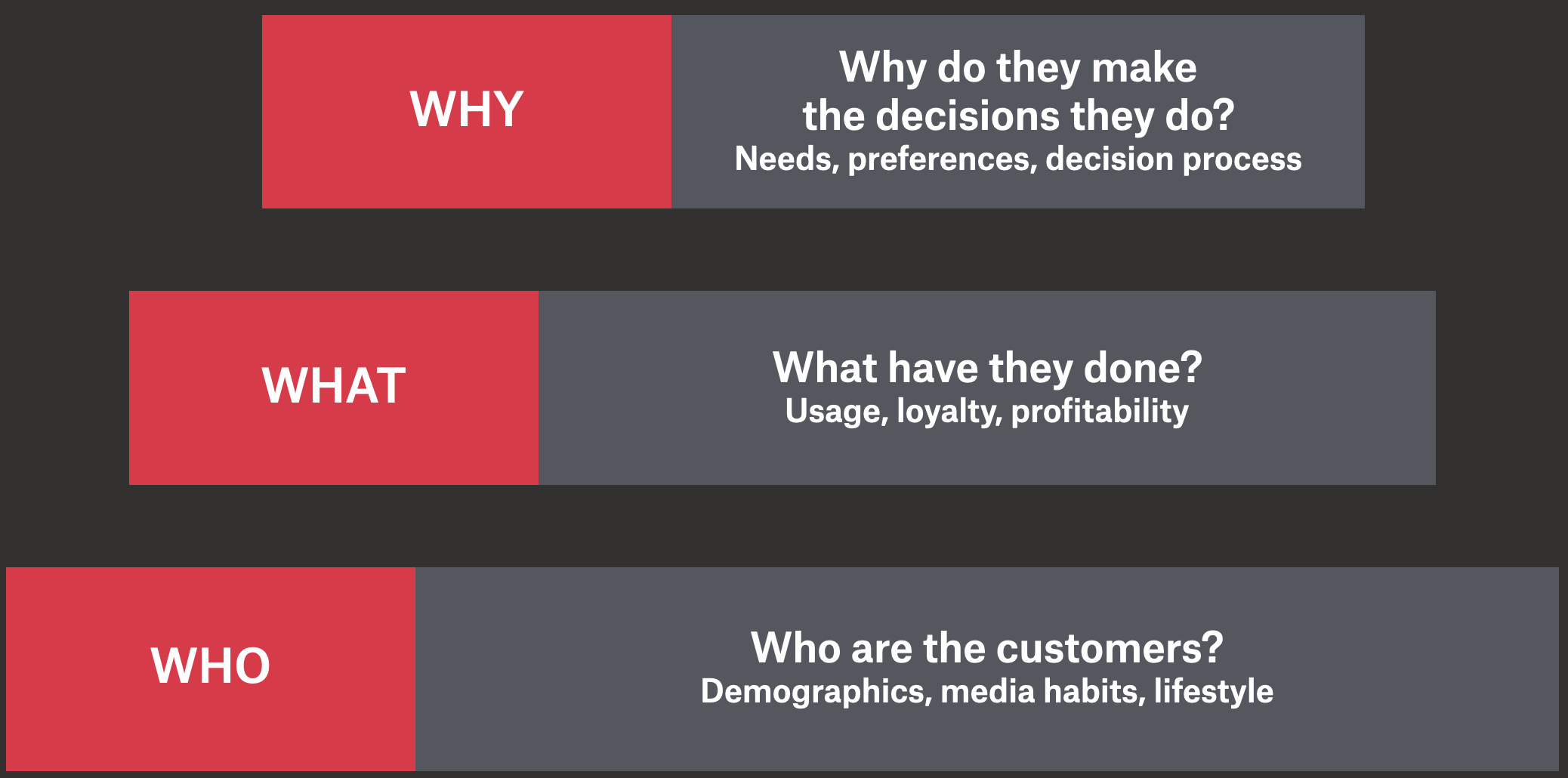
Ways to segment
Dog Food
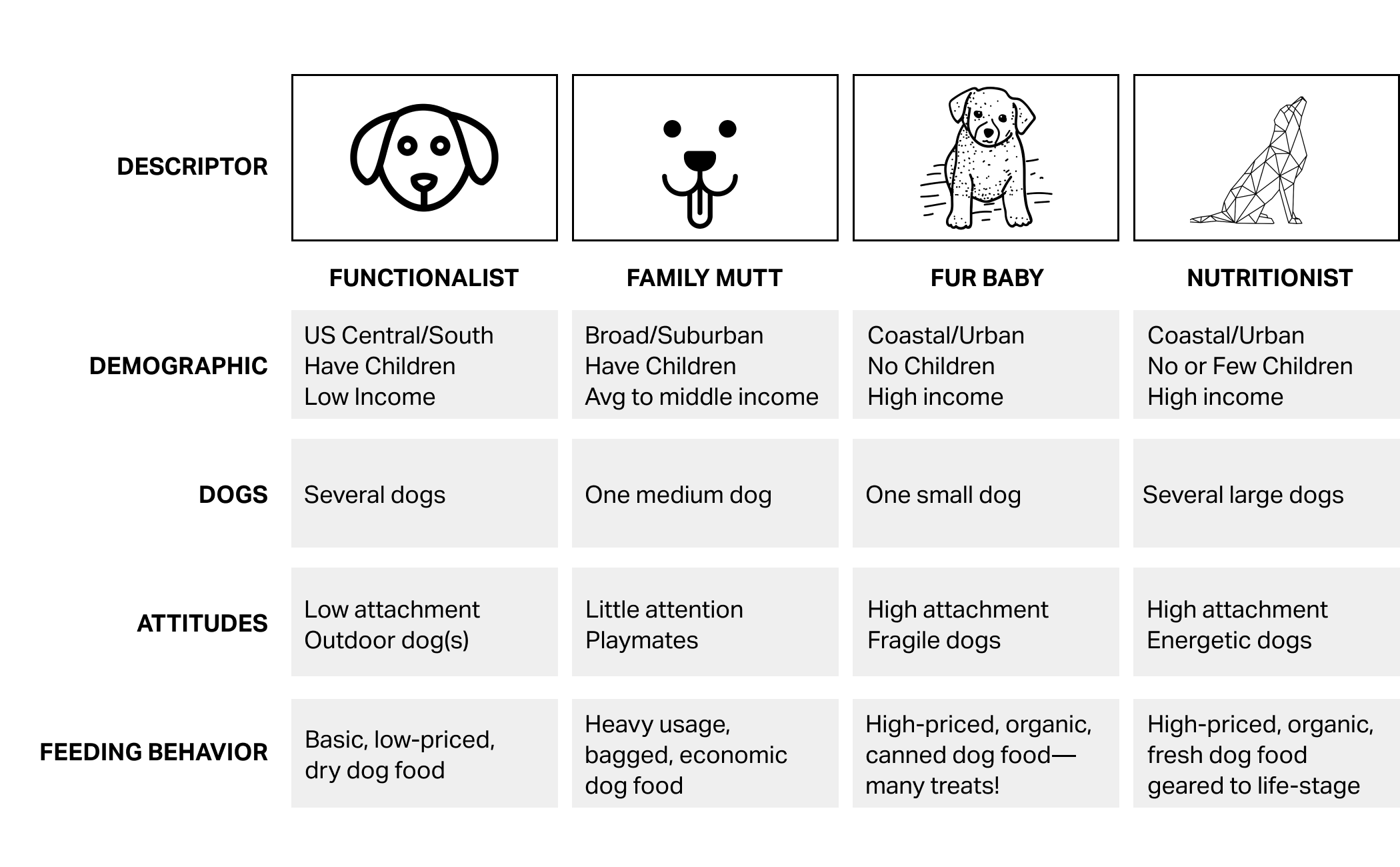
Source: Sunil Gupta, “Segmentation and Targeting,” HBS 2019.
Another angle
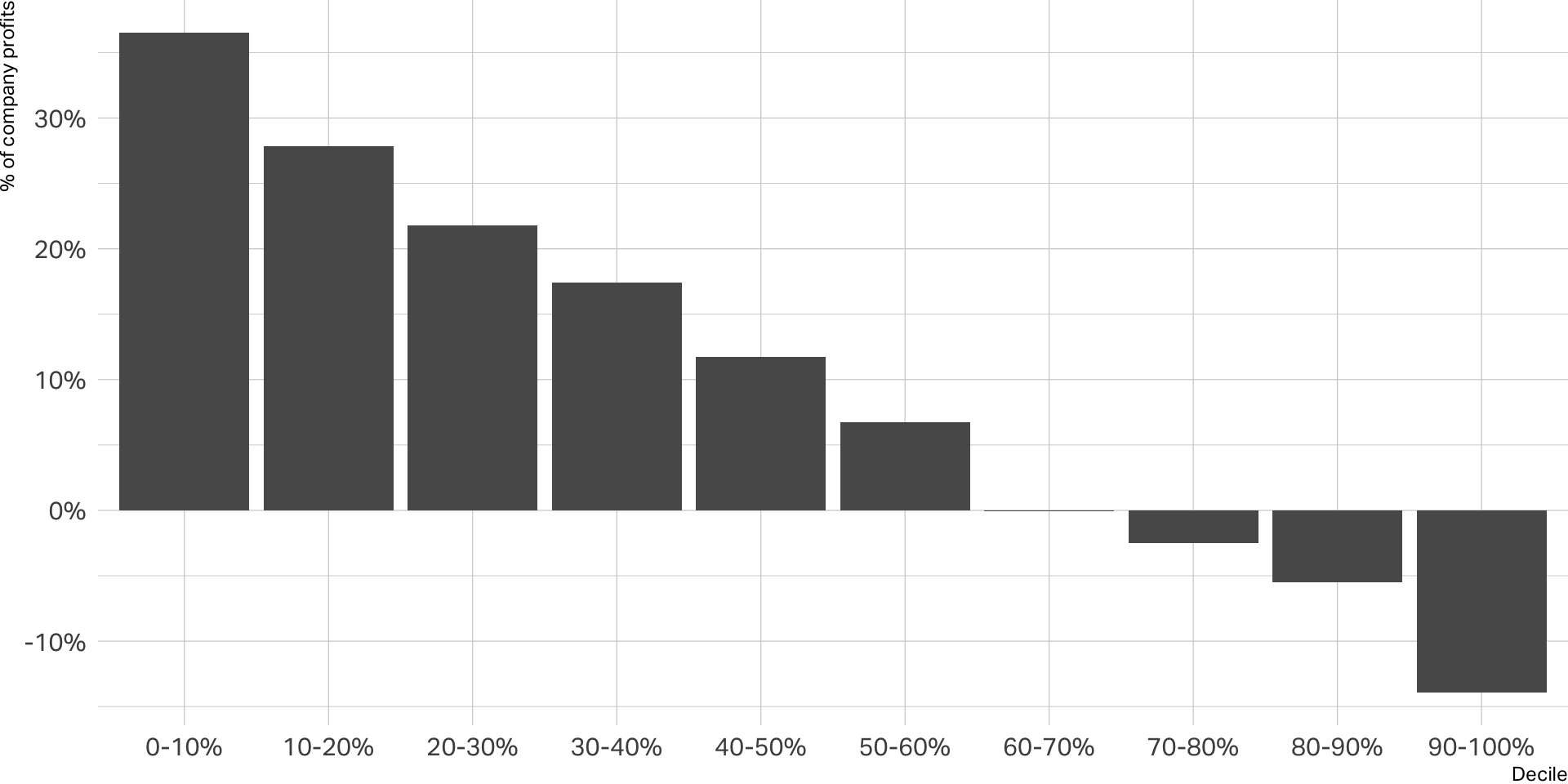
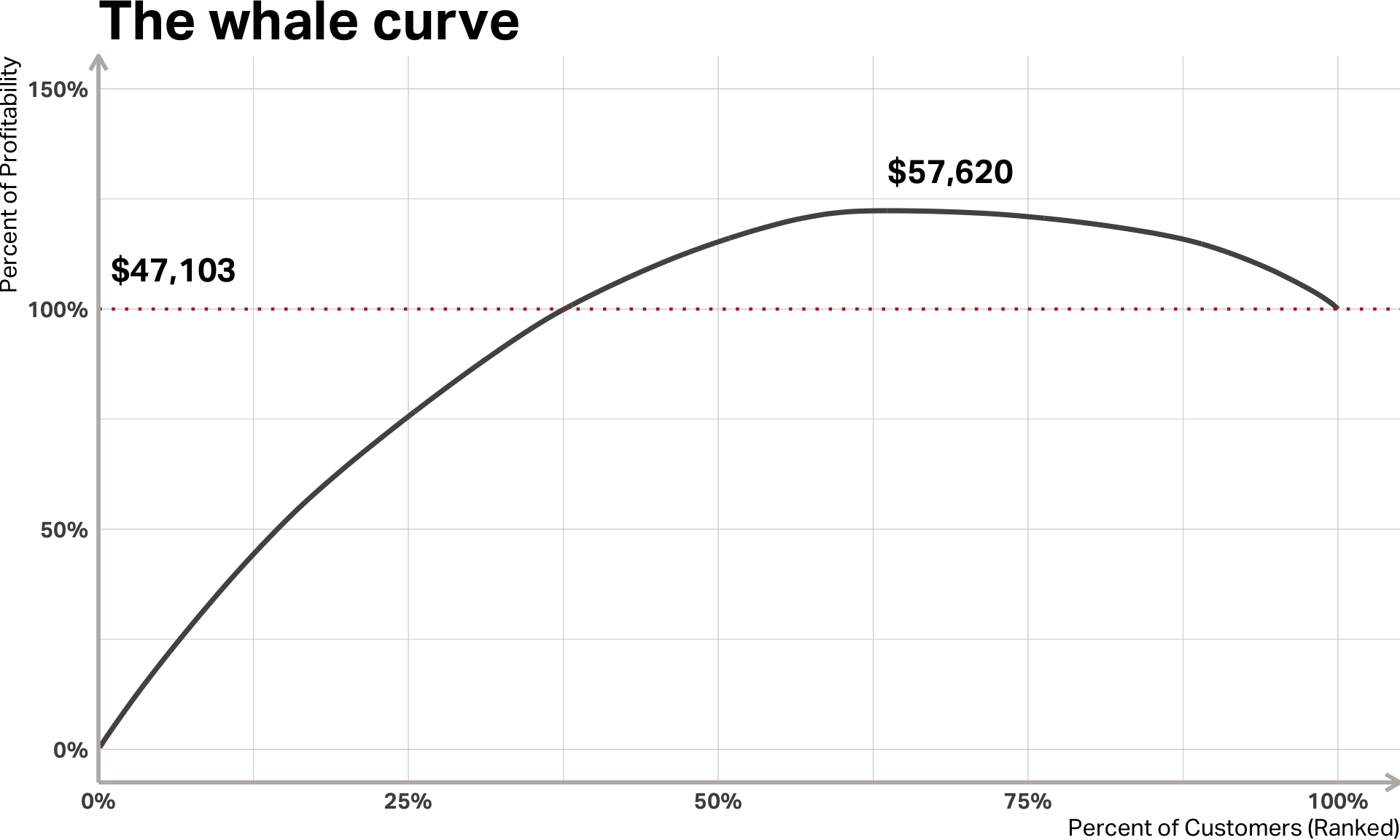
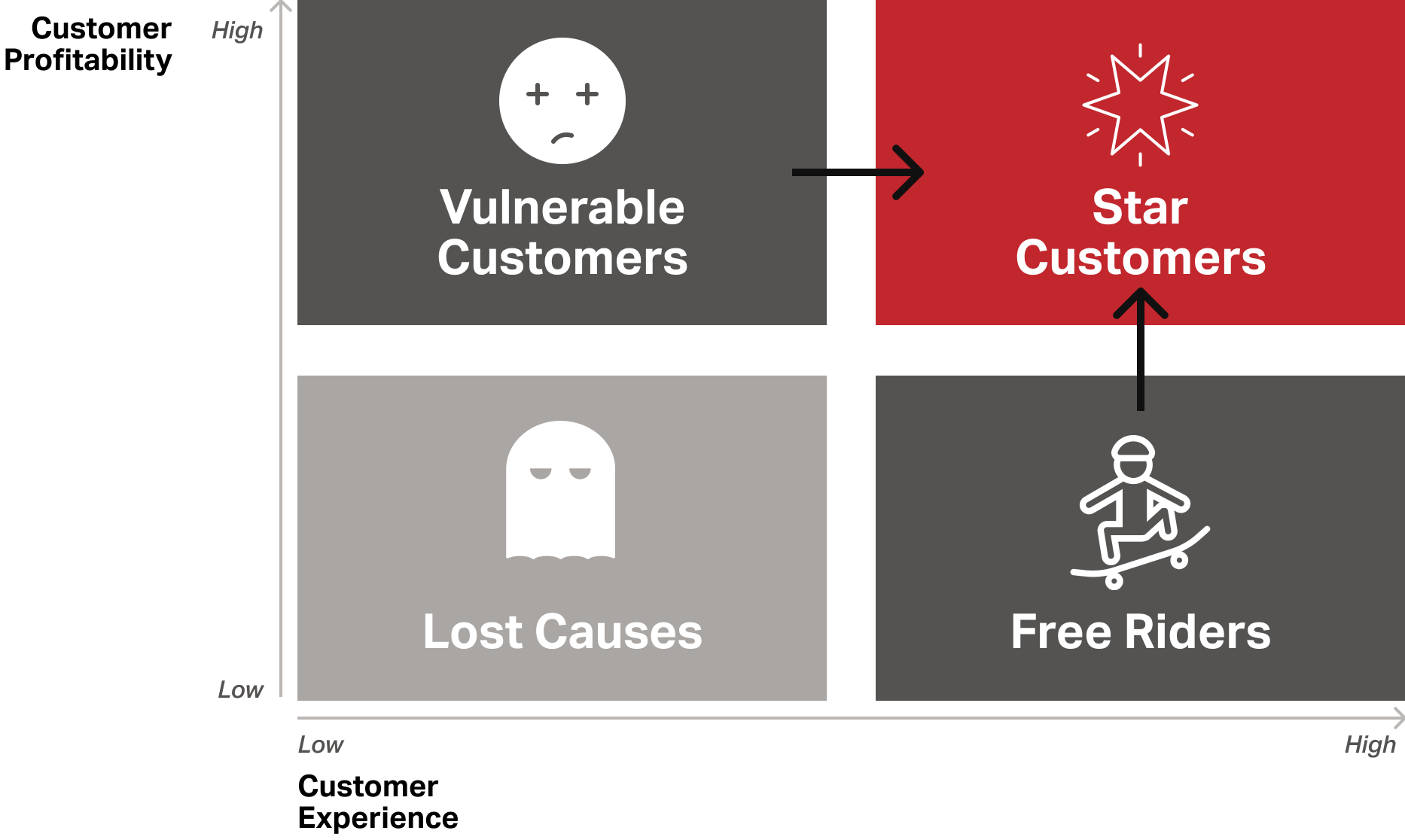
Customer management
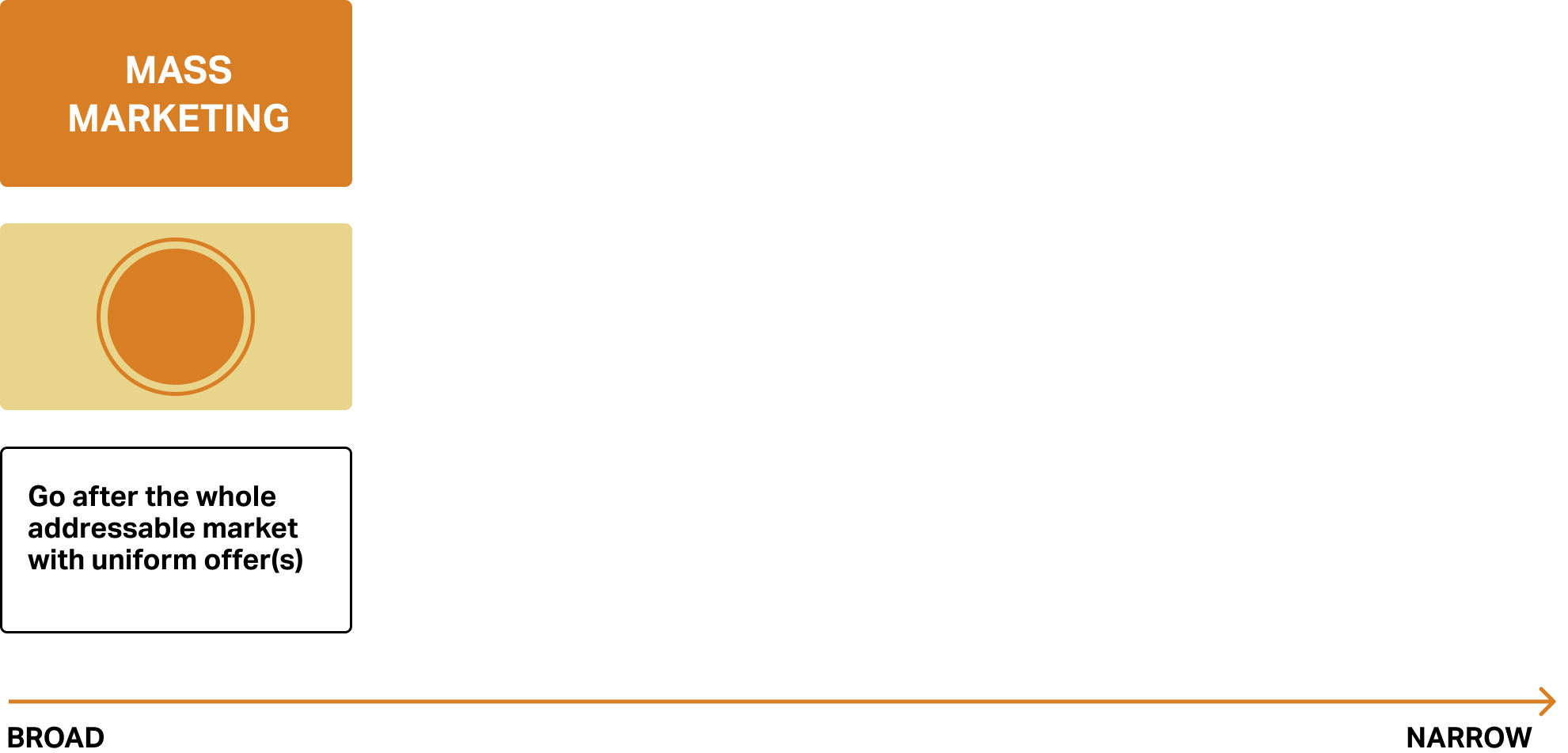
Targeting
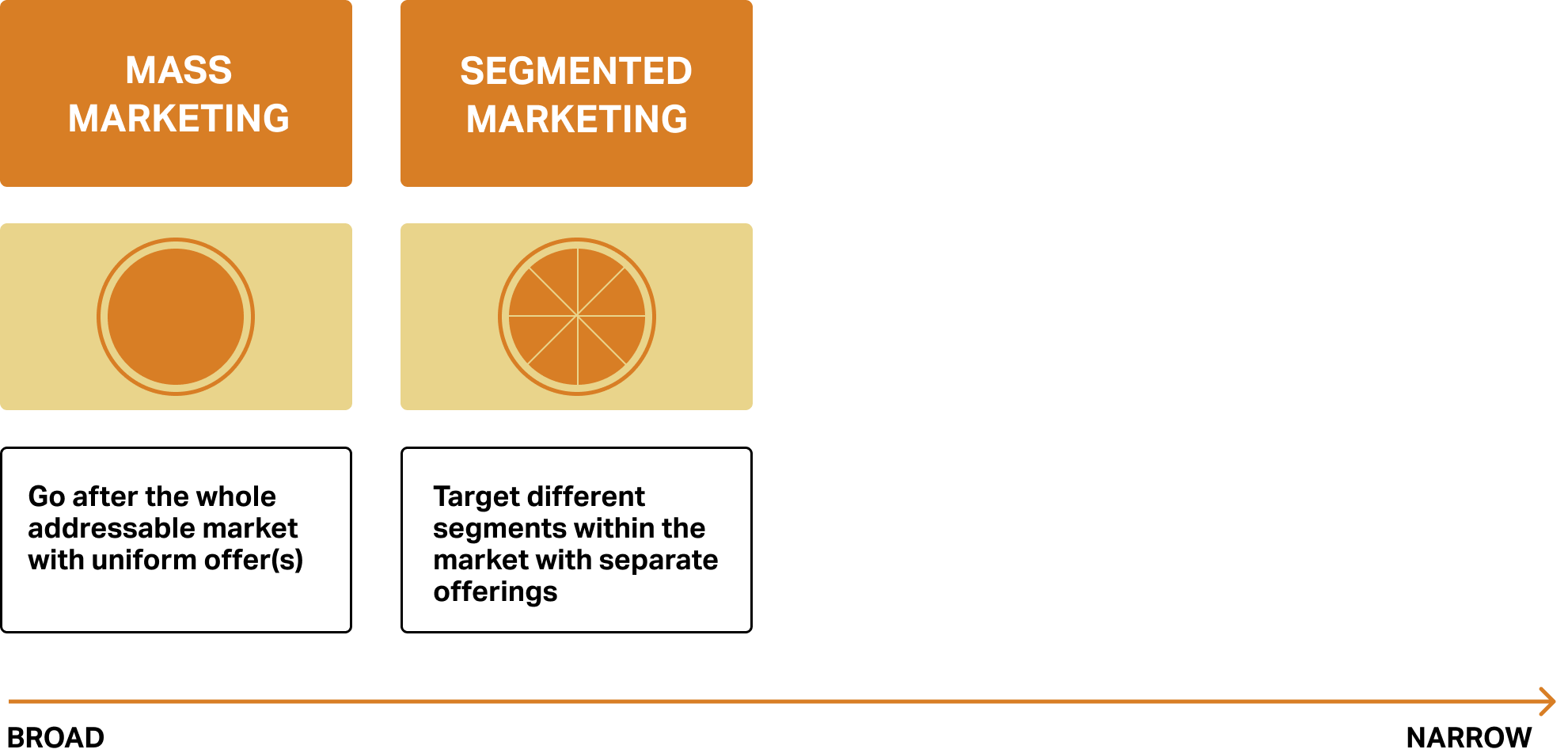
Targeting
Targeting
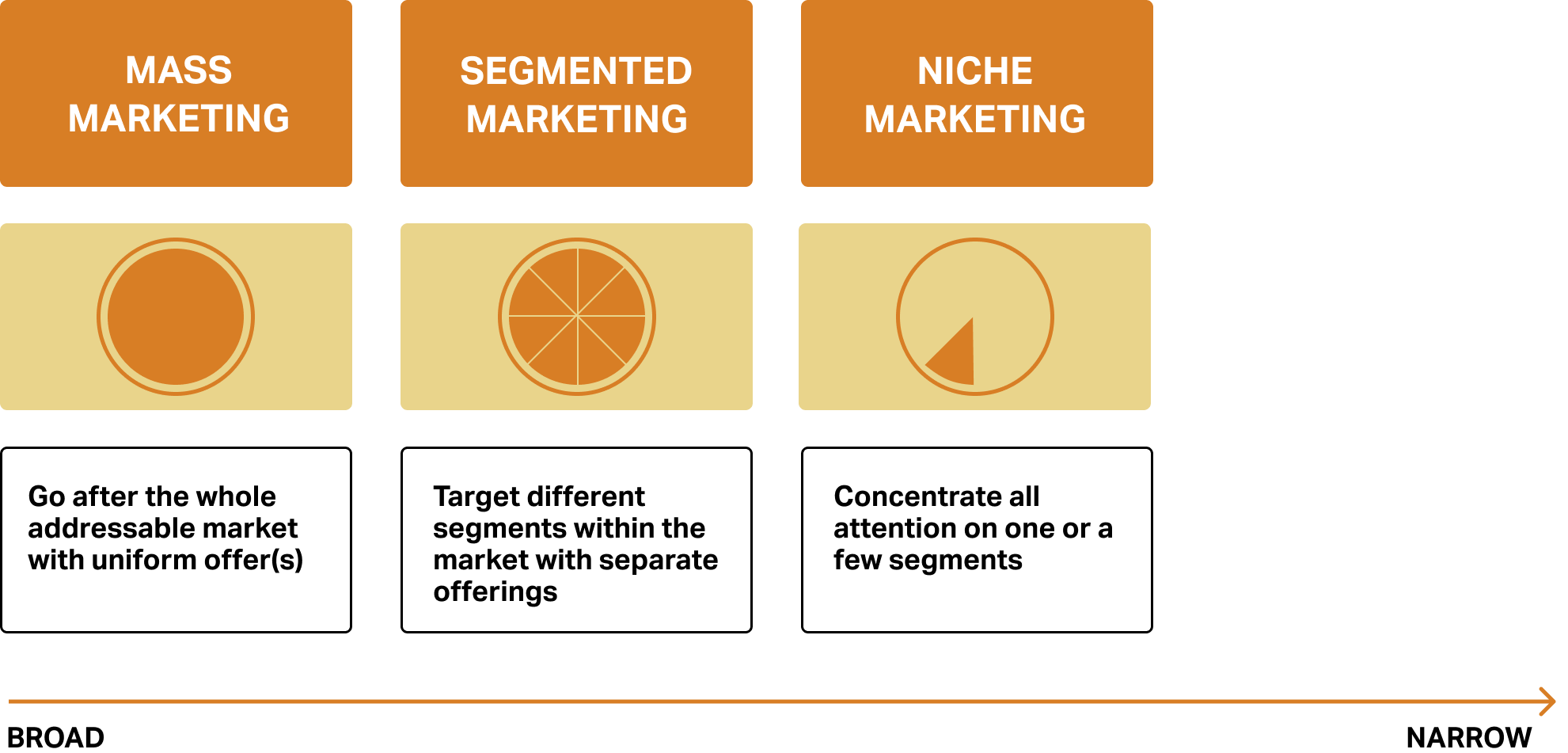
Targeting