Branding
Overview
From functional value to deeper meaning and the goodwill that companies keep with customers.
Presented by:
Larry Vincent,
Professor of the Practice of Marketing
Presented to:
GSBA 509
October 6, 2026

Brand
A name, term, design, symbol, or any other feature that identifies one seller’s good or service as distinct from those of other sellers.
American Marketing Association
Great brands are grounded in truth
but expressed in possibilities.
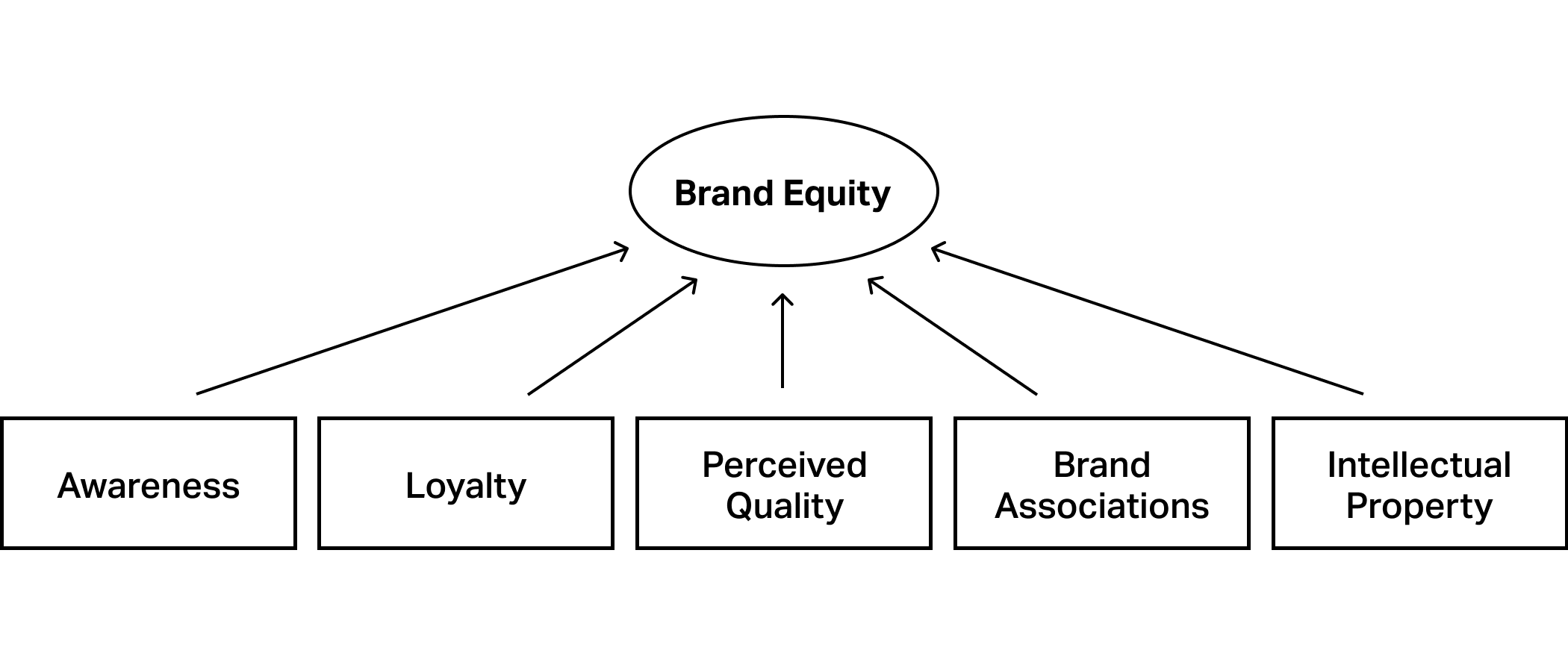
Aaker’s equity model
![]()
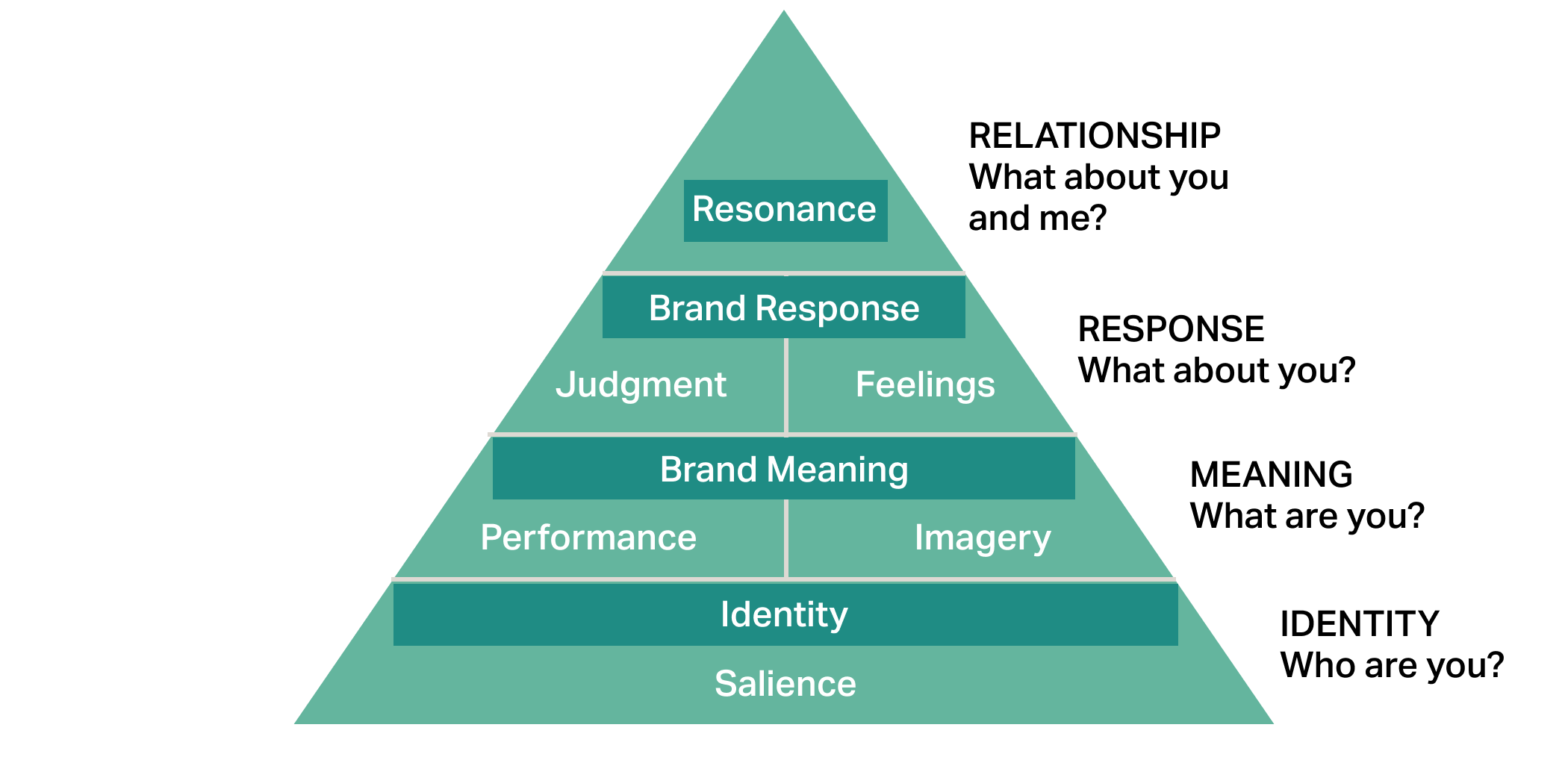
Keller’s equity model
![]()
Tangible results
| Metric |
Emotionally connected |
Merely satisfied |
| Average tenure |
5.1 years |
3.4 years |
| Recommendation rate |
71% |
45% |
| Annual spend |
Up to 2x more |
Baseline |
| Source: Motista, 2018 |
Objectives
![]()
Strategy
Become the cannabis reference brand.
Brand promise
![]()
Identity
![]()
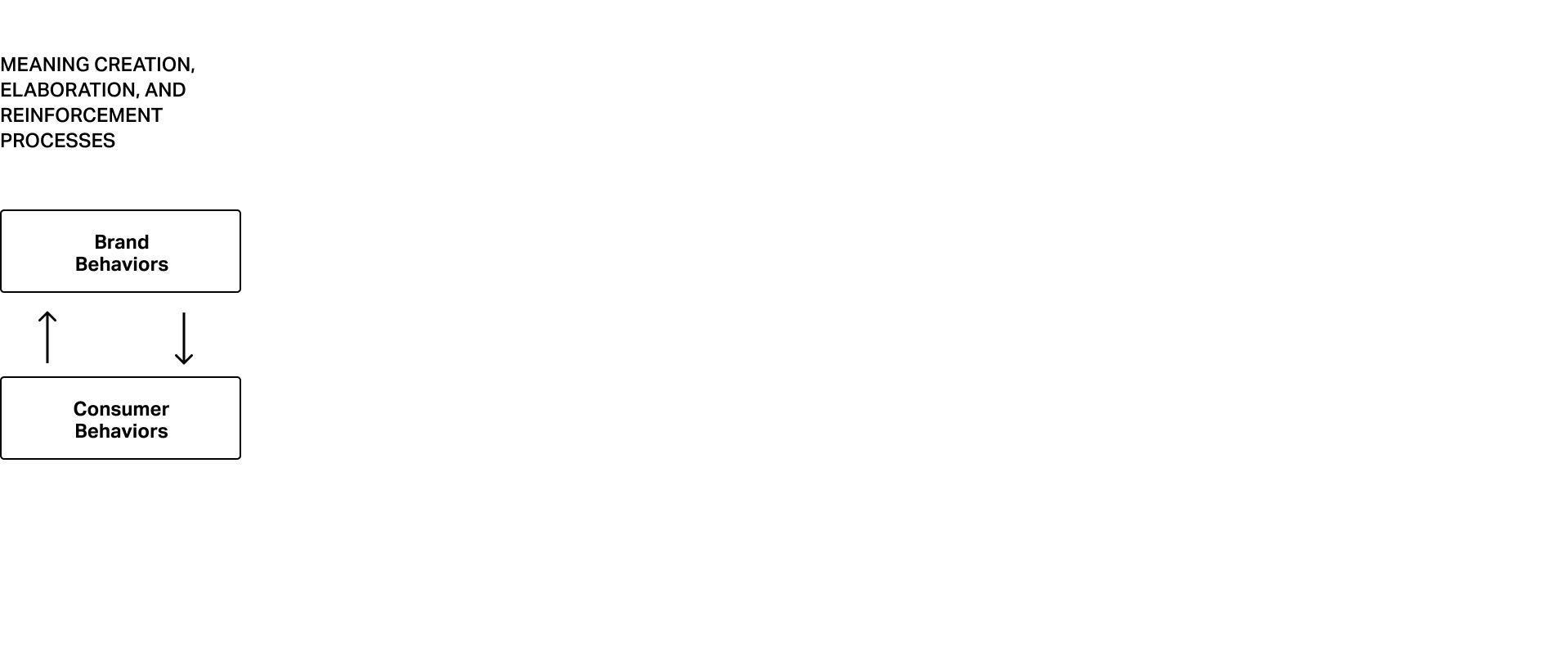
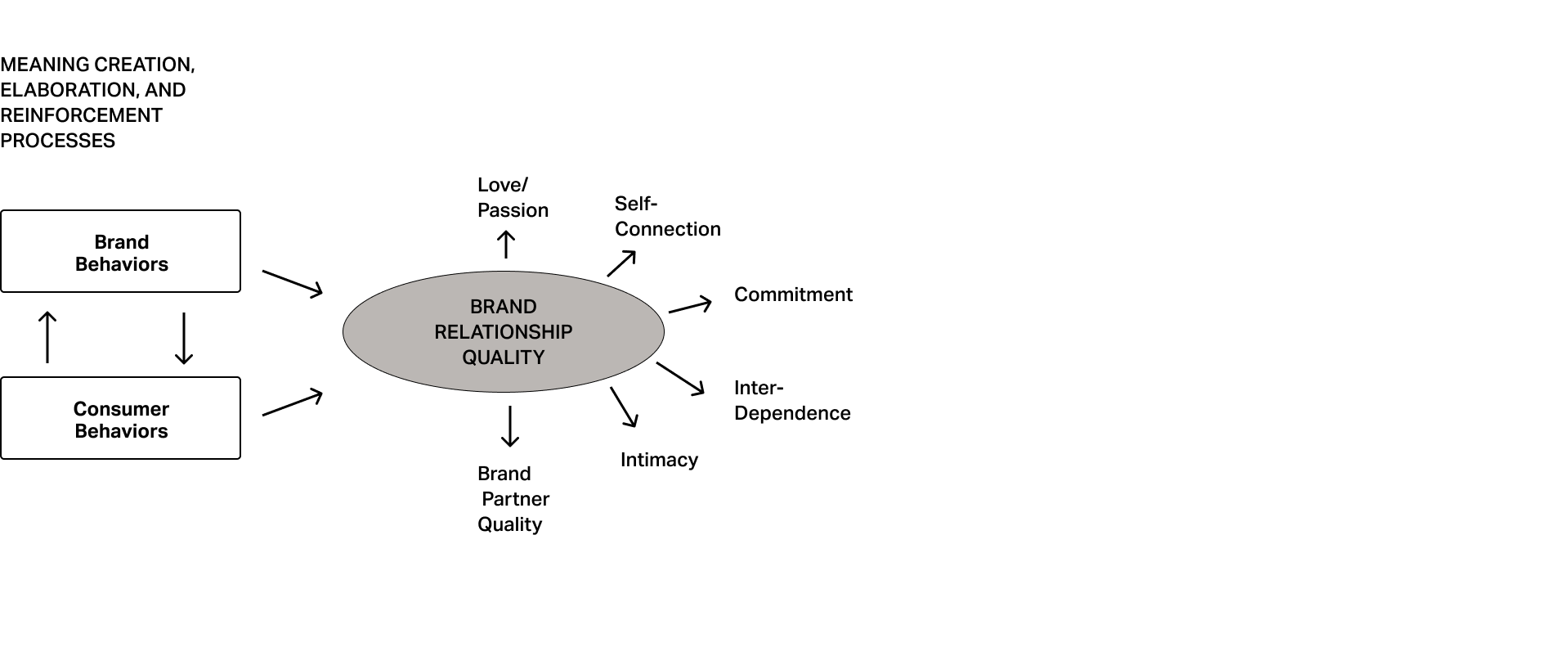
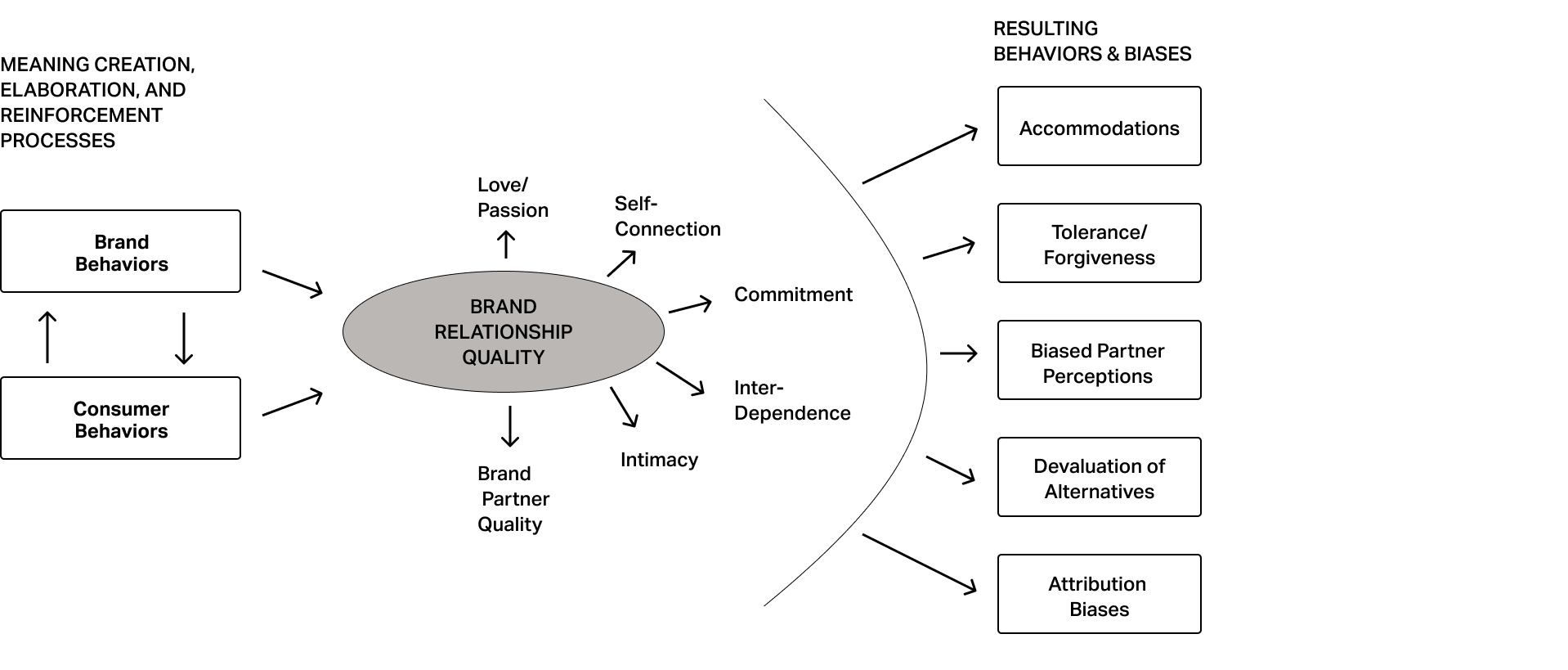
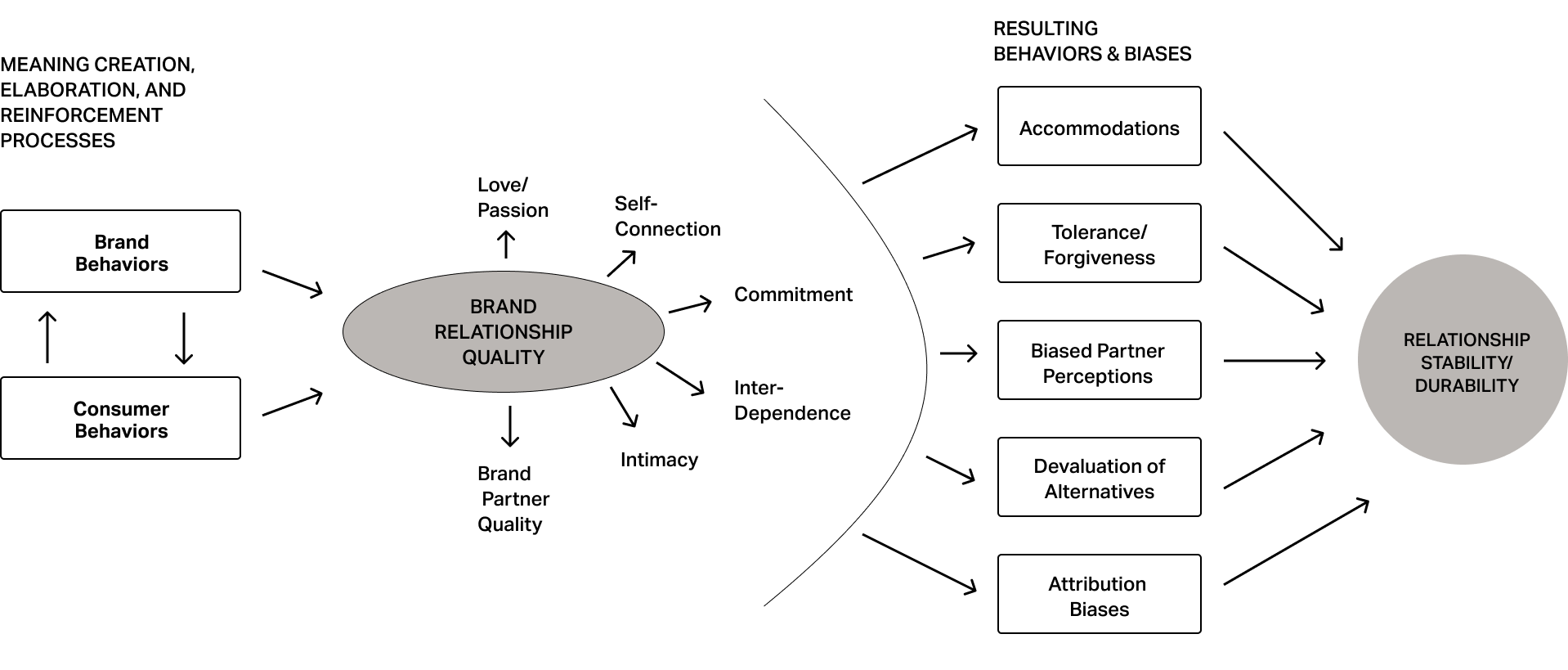
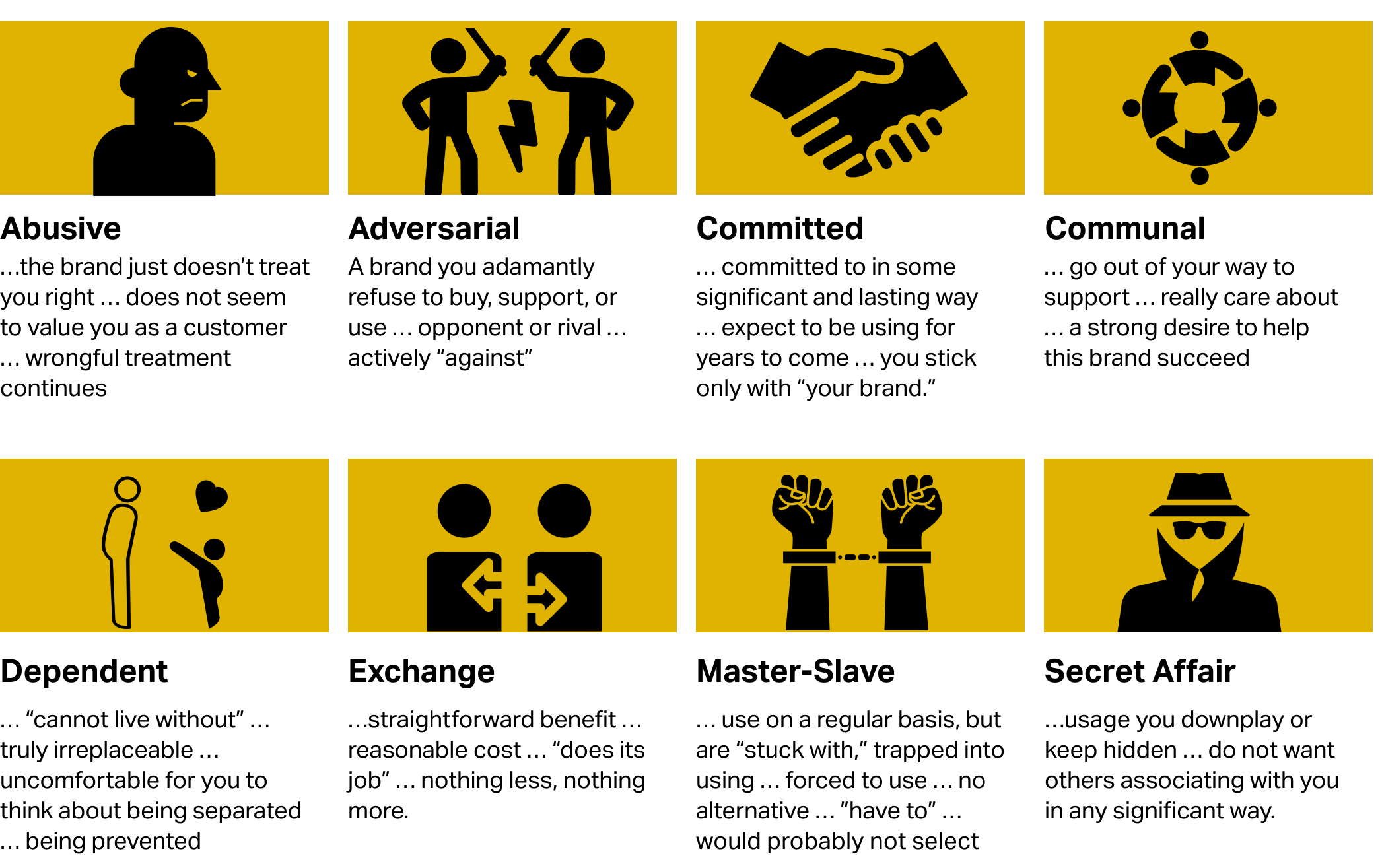
Branding is relationship management.
Brand relationships
![]()
Source: Susan Fournier
Brand relationships
![]()
Source: Susan Fournier
Brand relationships
![]()
Source: Susan Fournier
Brand relationships
![]()
Source: Susan Fournier
Relationship analogues
![]()
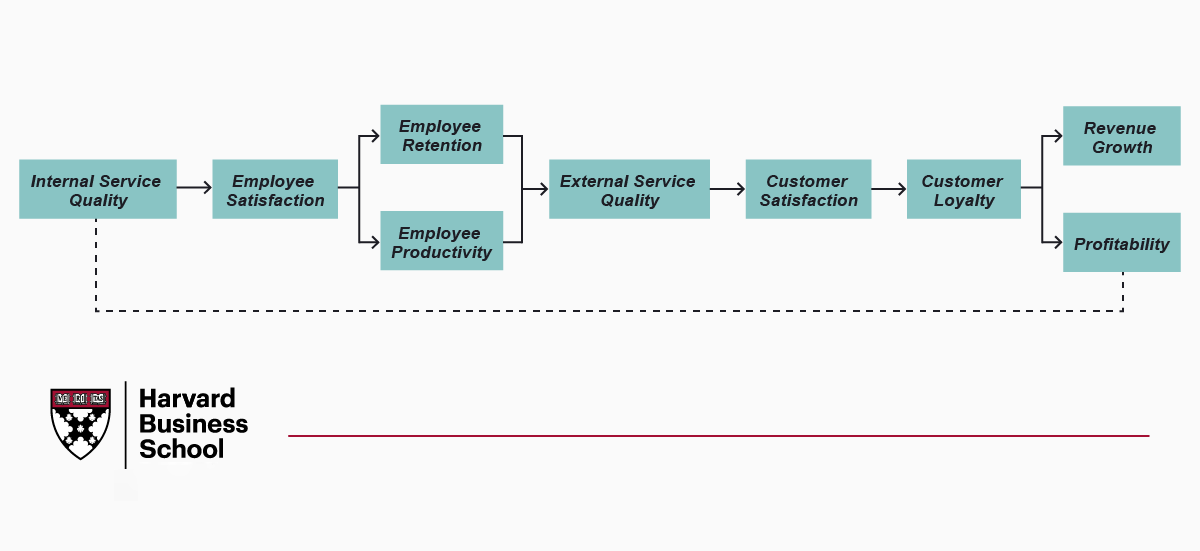
Service Profit Chain
![]()
Source: Heskett, Sasser, and Schlesinger, 1994
Culture = Brand
![]()
The real troubles in your life are apt to be things that never crossed your worried mind. The kind that blindside you at 4 p.m. on some idle Tuesday.
Mary Schmich
Wear Sunscreen Speech, Chicago Tribune
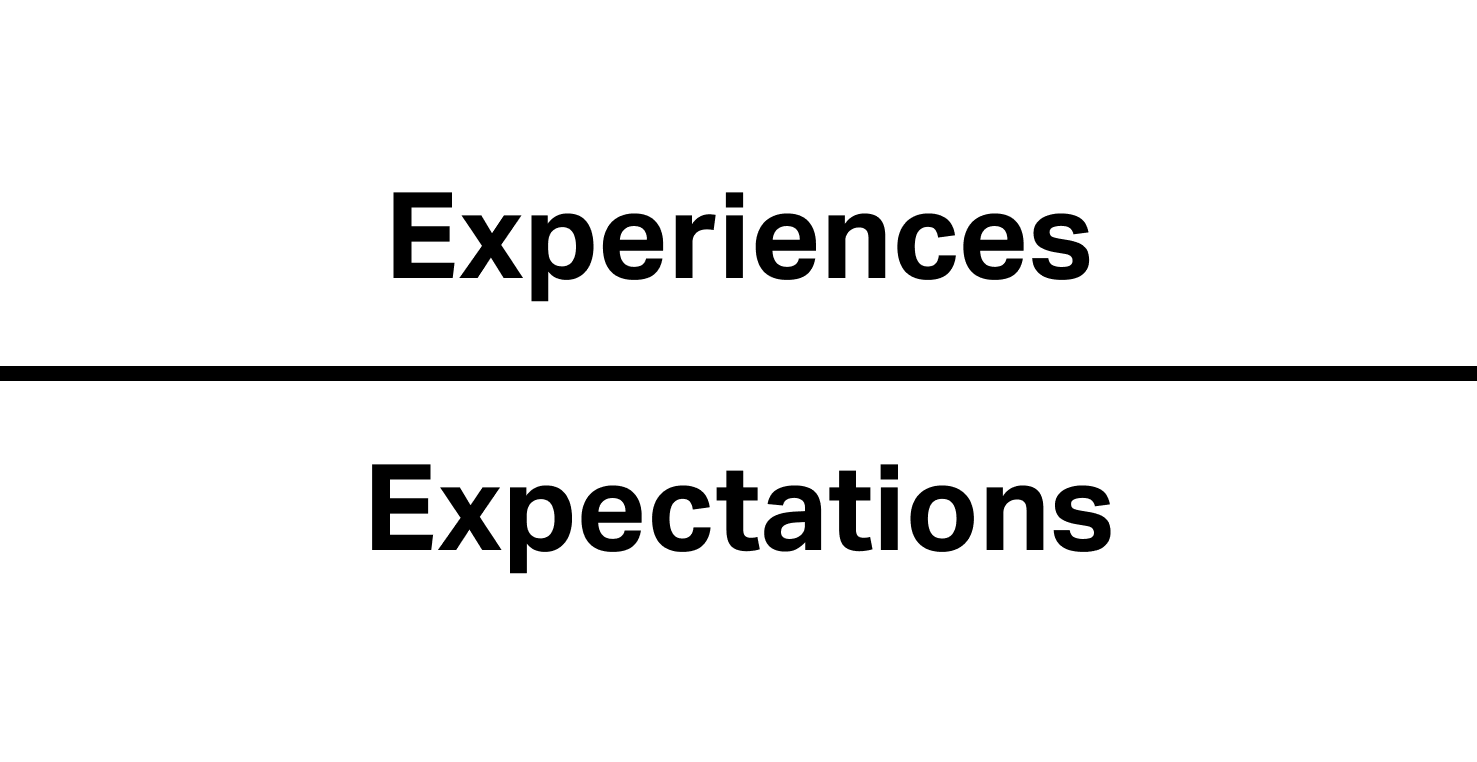
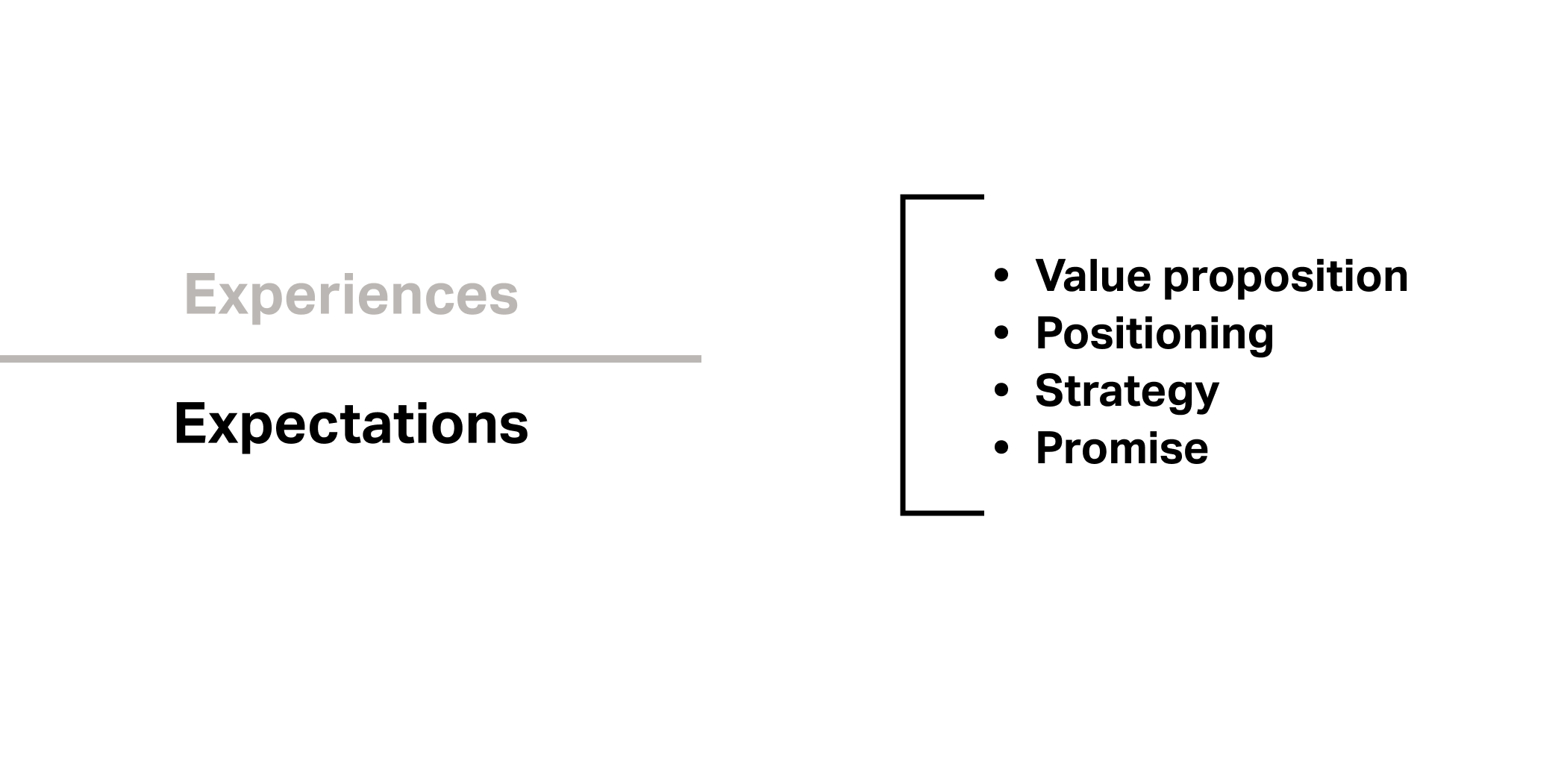
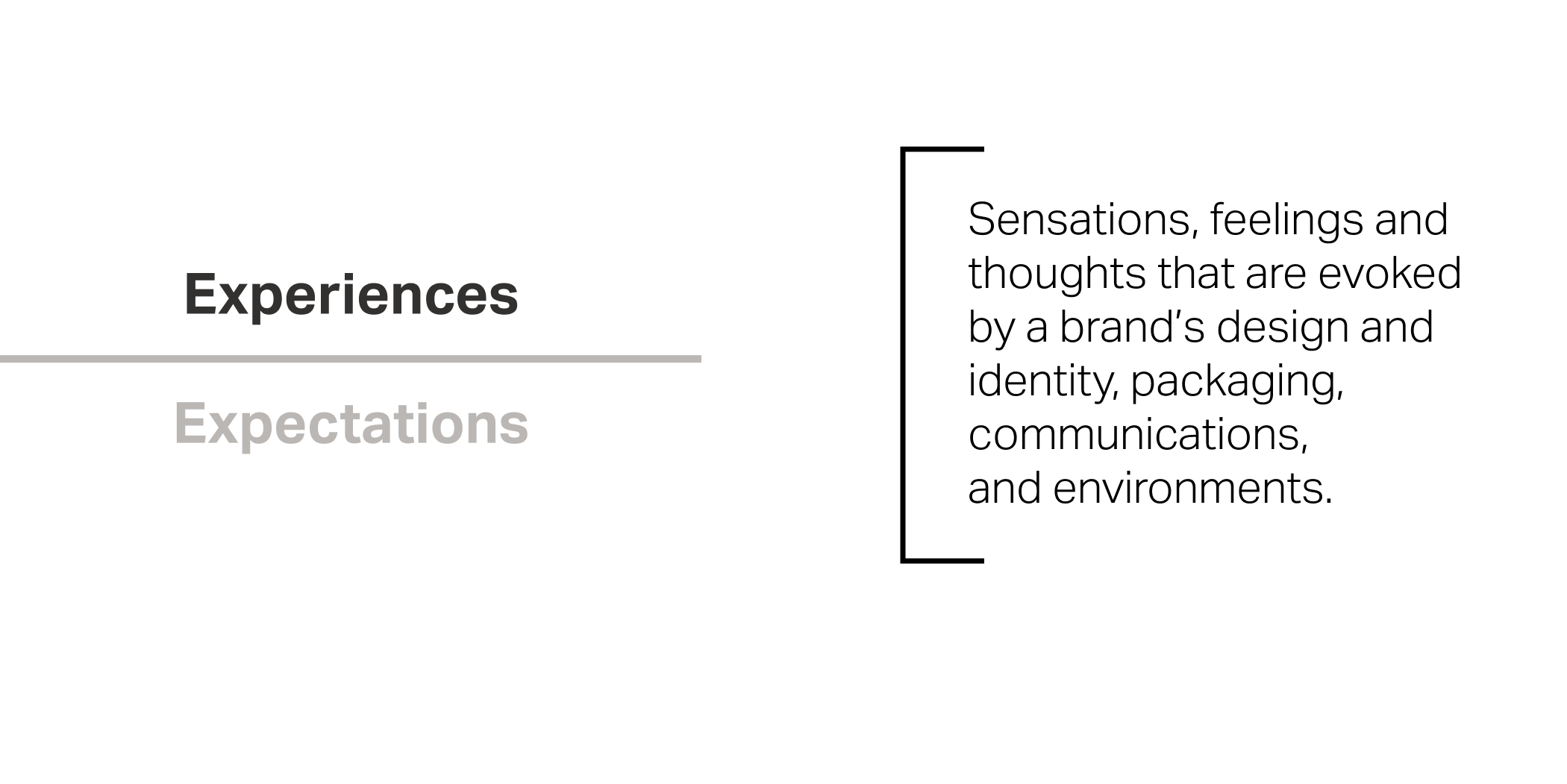
A strong brand exceeds expectations through experience… but resonates in absence.
Brand management takeaways
- A brand is an outcome: it changes based on inputs
- Brand strategy should follow business strategy
- A brand is a relationship contract between businesses, customers, and employees
- Experience is the most reliable barometer of how we think and feel about brands
- A customer’s connection to many brands is a projection of self
- Communities can shape and even own the trajectory of a brand